
Indiana University Athletics
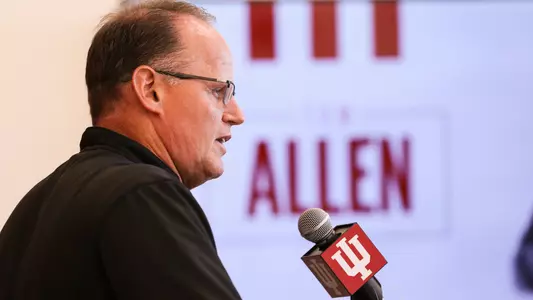
2019 IUFB Media Day Central
8/1/2019 11:31:00 AM | Football
BLOOMINGTON, Ind. – Indiana football held its 2019 Media Day on Thursday, Aug. 1, at Memorial Stadium. The team opens fall camp on Friday.
Transcripts from the press conferences of head coach Tom Allen, associate head coach/offensive coordinator/quarterbacks coach Kalen DeBoer and defensive coordinator/linebackers coach Kane Wommack can be found below.
Head Coach Tom Allen Press Conference Transcript
TOM ALLEN: Once we get those guys on campus to really do a tremendous job of getting them strong, and that's been a huge focus, a challenge. I specifically singled those guys out to both our staff, our strength staff and to the team itself, offensive and defensive line to really have a great summer, to be able to put on good weight, to get stronger. We had goals for every one of those guys over the summer, and to keep them on track from a technical perspective, things they're going to work on fundamentally. Those carry into fall camp.
It's going to continue to be a focal point in terms of getting proper reps. One thing we're doing a little bit, modifying our schedule itself in regards to practice time and reps to create more depth. Going to have some more rep opportunities for our threes, and even sometimes fours, and so just trying to get guys on the field, as much technical -- we expanded our individual periods, which I think will help us get more technique work together to get these young guys brought along faster, and then just got to go play football.
So to me, extending our team periods probably five minutes each to get more reps with those younger guys. Just have a plan in place because we know how critical that is on both sides of the ball, and it's going to be a big key for our success.
Q. In Chicago you mentioned Da'Shaun Brown and Antoine Whitner (indiscernible)?
TOM ALLEN: Yeah, Da'Shaun Brown is here and is fully cleared and he's ready to roll, and still in the final few days here hopefully we'll work with Antoine Whitner, so he should be here shortly. Very promising on both ends, but yeah, Da'Shaun is already totally cleared.
Q. Quarterback-wise, you talked about defensive line reps, how do you expand that to the quarterbacks?
TOM ALLEN: Well, we'll go -- like you said, so you kind of look at your whole -- your depth at each position, and that was a big part of our discussions as we met as a staff during the last few weeks to get those reps set up, and every period is going to be a little bit different. But yeah, you're going to have at least ones, twos and threes going, and you'll have different guys taking reps with the different groups, and we'll just inter-mix those guys and give them a chance to be a little -- obviously it's a little different when you're working with those different groups. But I think that all three will be rotated within those groups, as well. Initially for sure, and then as every day passes and weeks pass, you'll get more and more zeroed in on kind of how you see it playing itself out.
But it's very important. We do special situations to be able to get those guys in those opportunities where it's two-minute periods or full team or whether we're doing live goes -- the quarterbacks will never be full-bore live in regards to being tackled during fall camp, but there will be different tempos we'll use for our teams, and it's important, and even blitz periods, being able to get to feel the pressure, be able to make the checks and adjustments, whether it's a physical verbal adjustment or it's a sight adjustment with the routes. Those are all important parts of the process of getting our quarterbacks ready.
Q. Similar question about the secondary, just a lot of bodies there. How do you make sure that everybody gets the work they need to so you're sharp?
TOM ALLEN: Yeah, there's no question. It's a great problem to have. Like I say, we're even going to talk about it tonight in our team meeting about how our practices are going to be set up to get more guys looks. The secondary is another example of that, linebackers another example of that, even having to talk about having the fourth group at times come in and get some work. So there's a definite plan in place to be able to see those guys, but the key is when they get their shot, they've got to make the most of it, and then those scrimmages are going to be big, which those will be down the road here. But just being able to, from a practice structure perspective, we have got to get those guys reps.
And it's -- we're not going to be doing scout teams yet. That's still weeks away. So to be able to get those guys against each other, you really have to do a great job of being very organized as a staff and every rep is going to matter, and those guys know that, and I just think that it's just a result of having quality guys and quality depth, and that's part of it. So that's a good problem to have, but we definitely have to have made some adjustments.
Q. Coach, you mentioned that the quarterback competition that Peyton was the guy that the other two had to beat out.
TOM ALLEN: Well, first of all, yeah, he's a returning starter, and I think there's a lot of merit in that, and he's earned it. And I think there's a level of -- when you put yourself in that position like he has in the past and he earned a chance to be a starter two years ago and did it last year, as well. So to me, reward him for that.
But at the same time, like I said, I've mentioned it with other positions and I've told Stevie Scott the same thing, and the same thing with our linebackers and safeties and corners and receivers and offensive line. It's not just quarterback. That's the one that usually gets talked about, but those other guys have the opportunity, and we'll have the opportunity to compete for the position and beat him out.
Like when you just say who's going to go in with the ones the first time, it's going to be Peyton because he's the returning starter at that position, and I think he's earned the right to have that spot.
Q. You talked about making that determination of who starts at quarterback. The guy who could lead this team, what does that specifically look like to you?
TOM ALLEN: Yeah, that's a great question, and it gets asked a lot, and it's worthy of that, and I think that you just go through as a coach and some of it's just your gut feel in terms of how you believe that that guy can take your team down the field, and there's an execution piece to that, to be able to distribute the football in both the run game and the pass game effectively. It's ability to move those chains.
But I think at the end of the day, what it really comes down to, and we're going to go through and we'll have stats and we'll have percentages on completion and 1st down effectiveness, 3rd down effectiveness, all those things that go into creating an effective offense. But at the end of the day, it has to be, when it's a minute 20 to go in the game and we've got the ball, who do our guys believe is going to take us down the field and go score and go win the game, to where we have the mindset as coaches and our team feels that as long as there's time on that clock, if that guy is in the huddle leading our offense that we've got a chance to win.
To me that's called winning your team. Winning your teammates, who they believe in. It's not just liking the guy, it's not a popularity contest, because they're all three awesome guys, and it's who do they believe and who do we believe and who believes in themselves enough to take this team down the field and go win the game.
At the end of the day you're judged on the scoreboard as a coach and as a player. That's how we get judged professionally, and it's how we get judged in performance. That's a big part of it.
To me that's what that position -- I think, and we would all agree, that teams usually go as far as the talent of their quarterback and the play of their quarterback, and that's protecting the football. That's part of it, too. That's about being able to do a really, really good job of understanding the offense and understanding the various things that can happen and make adjustments, whether it's verbal adjustments and things you do with the receivers and there's run game reads and being able to do a great job of commanding that room and having that leadership piece and just exuding that confidence in the guys around you. And that position to me, as I say about linebackers, it demands production. It demands leadership. And those two key components don't change.
You know, so it's just another opportunity this year. We had a conversation a year ago about this position coming in, and here we are again with an opportunity to do that, and I think competition makes everybody better. And it's human nature for that to be the case.
I love the opportunity we have. I love the number of guys in that room that worked extremely hard, and you can say that for a lot of positions. So we're going to have a very, very competitive fall camp that's going to -- as we always say, iron sharpens iron, so we're going to sharpen each other each and every day and make each other better and get the product we want.
Q. I guess along that line, too, how much if at all do you maybe lean on guys like -- more experienced guys in the offense in terms of getting feedback from them on just what they feel like works at that quarterback position?
TOM ALLEN: There's no question. I don't think it's a sit there and have a direct, hey, who do you think our quarterback should be, but you can tell. As you talk to them, I think, yeah, that's part of winning the team component, and those guys believing. Even last night in the initial team meeting, you kind of get the initial things you want some thoughts going on in their head, and I challenged them about your mindset, that drive, your expectations and your beliefs. To me, okay, what's the mindset of that quarterback and his -- the way he plays, the way he practices, the way he exudes that confidence to the guys around. Does he make the people around him better. And those guys will know that. They'll feel that as players on the team and players on offense, and in talking to the defense, say, hey, who do you -- what do you think about those different guys and how they throw the football and how they look things off and just -- it's a whole big picture product, and I obviously have a perspective from a defensive angle sometimes, and that's how I look at it, so we just try to go through, and I think, yeah, it's a very holistic approach to try and find -- I think it's going to be highly, highly competitive, I really do. I think there's a lot of good things there, and I'm anxious to see how it all plays out.
Q. In Chicago you said one of the things you need this year is the quarterback to elevate the team. Do you have to have that conversation with Peyton, if you're going to keep this job...
TOM ALLEN: I think it's a matter of meeting with all three guys individually and just talking them through, and that's one thing I want to do a good job of as the head coach is to really work them through this process and to help them know what we need to see, and it's probably going to be more of a, hey, this is what I expect from this position. Obviously there's different applications each guy will receive that with in terms of how he -- the things he knows he wants to do, and he's obviously been here long enough and I know him well enough to have those open and honest conversations. But yeah, the bottom line is that's what I want and expect from that position is to elevate the level of play. In order for us to take the next step we want to take as a program and as an offense, and that's a big part of what we have, and that's really to me -- we're talking about it here almost the whole time, and if you go to everybody's fall camp and the NFL and every level, that person that plays that position is really the key element to your team. So that's why it's such a big deal.
Q. You oftentimes have heard the football adage, when you have two or three quarterbacks you don't have any, but it seems like you have confidence in all three of those guys to be able to play well.
TOM ALLEN: Yeah, I think sometimes that often is said when you have guys that you're trying to play them all in a game, and I think that's where it gets a little bit difficult when people try to -- and I think that's probably the case in terms of reps to a certain degree. So that definitely has to be something that we focus in on here as we move into fall camp.
But to me, I've clearly stated that we're going to have one quarterback that's going to be leading our team, and that's where you say, the process to get to that one guy, I think that's what we're going through right now, and that's where we're evaluating.
But that's why I say that we've got several guys at every position that are competing to play. That doesn't mean we don't have good players there that are going to have an issue because you've got multiple guys. I mean, I'm excited for having multiple guys, and so I've definitely been here enough times in situations where we didn't have a lot of guys, and I was very concerned at this point in the season.
So I just think that that's why you recruit, and that's why you scour the country to find guys to come here and help us be a better football team.
So to me, it's a matter of going through this process right now, and we'll take these next couple weeks and figure it out, and then once we make that decision, that guy will be the person. But I will say, we've all seen things happen, seasons are long, a lot of things go through this, so guys got to be ready to go. No matter how it plays out for week one, you know you've got to be able to be ready when called upon.
Q. Coach, it seemed like you guys kind of got your O-line set, the starting five. How much are you watching to see that depth develop and who kind of steps up behind those five?
TOM ALLEN: There's no question. As we mentioned, it's one of my key concerns slash areas of emphasis. So yeah, you really want seven or eight guys you feel are really good. Perfect scenario is you've got 10, you've got a number two behind everyone that's the next guy in. It doesn't always work like that. We always say we're going to play our best five. So you kind of shuffle the deck sometimes when that happens.
So that's the process of going through and creating depth at center, depth at guard. We kind of look at it as the inside guys, outside guys and tackle bodies and guys that can play in the interior from more of a mass perspective. That to me is going to be a big part of it, and you'll see different combinations of groups in there, not necessarily because of injuries but just because we're trying to get more guys ready, because we know that a guy like Matt Bedford, even though he's a true freshman, was here in the spring, so he has a different level of rep base and experience than a guy like Tim Weaver who just got here doesn't have.
But at the same time we've got to get these guys ready, and we've got some redshirt freshmen that have had a whole off-season to really develop and a full spring under their belt now, and so those guys need to rise up. Really going to emphasize getting those guys lots of reps during fall camp here. We kind of know what Coy can do, we know what Simon can do and Hunter Littlejohn, as well. I just think those three guys have really kind of established themselves as guys that are anchors there on that O-line, which is exciting and a good thing, but got to bring those other guys along.
Q. You talked about the physical conditioning; do they look different?
TOM ALLEN: Yeah, we go through and Dave is going to do a little presentation tonight to our whole team and just show where we came from, and it's been really neat to see. I don't want to get too specific, but to be able to see us as a group -- especially we had so many young guys last year that played and just to kind of -- if you kind of have a visual, I just kind of see a group of guys on there and you have their weight and then you have their strength numbers and everything just kind of shifted up. Everybody kind of -- we have a whole group of guys now, we had a lot of guys -- we haven't really changed, there's not as many high-end guys. That's similar to what we've had. But the whole middle group here has just all shifted up. They're all stronger, they're more explosive, and I feel great about their condition right now.
I know our strength staff does an excellent job, and I actually was -- I think other than maybe being at the Big Ten media days, we gave our guys the 4th of July day and that weekend off. Other than that, they were here all June and July, and I was at every workout. And so like I said, except for the couple of days we were at Big Ten media days.
I've watched them. I've been in there. That was by design. I wanted to be around our team as much as possible, and I love being around them and just watching them work, seeing them move and seeing these young guys get developed and watching our guys train together.
Definitely a more powerful, more explosive team with better speed and more confidence, which that's an outgrowth of -- I think that's where you get your confidence, I really do. I think that's one of the biggest benefits of having a great strength staff that the players believe in, and they really believe that those guys are going to make them more explosive players, and that's a key term for us, that power. We've really gone away from the one-rep max mentality, we've gone away from thinking about 40 times. It's miles per hour and speed and different ways, whether it's 10 yards, 20 yards, 30 yards, different segments of that, and then their power numbers, which to me that's football. And then we can always talk about how does it transfer from the weight room to the field.
And that's what I think our guys do as good as anybody in the country. And that's created a different -- a lot of emphasis on single-leg things, to create the change of direction, the explosive power in the game of football, finishing tackles, finishing blocks and finishing runs and all those things.
So that to me is what I see, and so yeah, just a bigger, stronger -- we're physically -- we're heavier. We went through all positions, O-line, D-line was really big emphasis for that. We've got more mass to us than we had a year ago on both sides of the ball, and that's important. And it's still a process. We've got a lot of young players. You go through and you look at our two -- our junior and senior class are not very big, so you have a big chunk of our guys that are in the freshman and sophomore, whether it's redshirt sophomore, sophomore, redshirt freshman and freshman is a majority of our team. But that's just the way it is, and that's the two classes we've recruited as a staff here since I've been the head coach.
Been excited about the mixture of the upperclassmen and the younger guys in the weight room.
Q. How excited are you for Kane to have this opportunity and what did you see in his growth to kind of take over as defensive coordinator?
TOM ALLEN: You know, it's kind of been a long time in the making. We worked together at Ole Miss, and worked with his dad and really developed a strong friendship and a trust with each other on and off the field, and the way that he lives his life and the kind of focus he has and the things that matter to him and the things that are important to him, and his family, and known his wife for many, many years. And so the opportunity to get him here last year I thought was really important that we spent time together before he started calling it. I just think that I have my own personality on things that we do defensively that was different from the way we might have done it when we worked together at Ole Miss. And so he went off and became a coordinator at Eastern Illinois. He literally left us as a GA and went straight to become a coordinator, which does not happen very often, and then he was the youngest Division I coordinator in the country at South Alabama playing in the Sun Belt, which is the conference that I coached in at Arkansas State before we went to Ole Miss. There's a lot of really good players in that league and good coaches in that league, and it's really good football.
To be able to move to that position and as we've talked about in the past, his ability to change that culture there in both places, Eastern Illinois and South Alabama defensively and create a standard on that side of the ball, and we just talked so much. Like I said, he was the person that I would bounce ideas off of and it was back and forth both ways and ways that we were doing things. We were kind of aligned, but still, you haven't worked together with me calling it and him as an assistant, so last year I thought was a great year to work together and to really kind of create -- for him to get a feel for how I wanted things done.
There's some things that we do that he really liked that we had changed and adjusted and adapted over the last few years before I got here. And he brought some things that are a little bit unique and different that we hadn't been doing. And I gave him the authority to be able to make some of those adjustments. And I intentionally -- when we got into spring football, I did not sit in on any of the defensive staff meetings, okay, as they were planning and organizing. I felt there was a couple -- two reasons for that. Number one, I wanted to be with the offense and be with Kalen and our offensive staff and just to listen in and hear everything to help me get a good feel for his teaching style and coaching style and the way we'd be doing things on that side of the ball, and then I wanted the defensive coaches to look to Kane, not look to me if there was a question because when you go through and you get ready for spring ball, you're always hashing through things, and we're going to make this adjustment that adjustment, and sometimes you've got to work through it, and I didn't want them to look to me. They needed to look to him and let him answer their questions and let him solve the technique discussions and all the things that happen behind closed doors, and sometimes you go through, hey, I like doing it this way and this way and this is why, and sometimes you have good healthy exchanges, but I didn't want to be a part of those.
And then what I would do is I would debrief with him and he would keep me up to speed on what we were doing, and once I kind of felt like he had established himself as the new leader of the defense, then I'd come back in there and sit in, and I've sat in quite a bit since that time.
But I just feel like that that was necessary in the process of helping him, because it's always -- when you come in brand new it's one thing, but when you come in -- I've done both where you're an assistant you get elevated or you become a guy that's coming in brand new, and I just think when you're an assistant that gets elevated there's a transition time for them to look to you in a new role being the leader of the defense, and even with the players and all the things, so I just kind of let him take it and put his stamp on it.
That to me is why -- it's created confidence for a lot of different areas, and I trust him, and I believe in him, and I think that he's going to do a great job.
Q. Nick is a guy you brought to Big Ten media day and he's not always had the career he probably wanted, but (indiscernible) average football players, but how do you think that's contributed to making him the person he is today, and how important is he in that offense as a leader as a fifth-year player?
TOM ALLEN: Yeah, first of all, I think that -- and we've done a big study on the word "grit." That's our one word for 2019, and the timing of it is probably perfect, where we are as a program and everything, what we've been fighting to do. One big component of grit is you have to overcome adversity. You have to learn to fight through tough times. And so we look for that in recruits; what's that look like. Whether it's a home situation or an injury or whatever happens, and if you don't have those, it's hard to learn the same lessons in life, and we all have experienced it, that tough times cause us to really dig deep, reflect, decide what really matters to us, and we've got to really push through.
When you tear your ACL, the process of recovery from an ACL injury is a long, difficult process. I've often seen guys get broken by it or they come back better than they ever were before. So I just think that as a fifth-year guy, he's been around here a long time. He's seen a lot of things. He's been some highs, been some disappointments, been some frustrations. You work your tail off all year long and then the opening play of the first game of the season you get hurt, and then you're out for a whole year. And I think those are hard things.
But to see how he responded to that, it's a powerful thing. It is. And that's how -- and I believe that grit can be developed. Yeah, there's certain qualities that people have that are more inclined to be that way, but I think that's what he's experienced, and the perseverance, and just having the -- just noticing him as a senior, and we have several seniors that are this same way, that they've been here enough, they've been so close, they've been right there on that verge that they're like, I'm going to make sure it changes on my watch, that this is my last chance to be a part of this program, and I'm going to make sure that it's right. Am I going to sit back -- and I made a really strong push this spring with our leadership guys, and I was definitely targeting Nick in this because he's an awesome individual but he's a little quiet, and we've had some really good players here recently that are great young men and they're good players, but they were too quiet. We need -- and I made this statement, that leading by example is not leadership. It does not get the job done.
I said, how would you guys feel if I never spoke and I tried to lead this football team? How would that work? Well, it wouldn't; it's obvious. You have to speak to lead.
Okay, now, I told them, leading by example is just doing your job. And when I made that statement, several of those guys are like, Coach, I never thought of it like that before, and I even used some examples of previous players, man, I loved these guys and they did all these great things, but they never talked and they didn't want to confront, they didn't want to say anything to their teammates. So -- when things weren't the way they needed to be. And then you have regrets about, I get to the end of the year and we were right there again.
So I just feel like he's one of those guys that he's like, Coach -- that resonated with him. He kind of got it.
So he's been way more verbal, and he's -- I don't think -- he'd probably rather not be. I think he would rather just be a little more quiet, do my thing and be great over here, and he works his tail off and he's poised and positioned to have a great season and that's what we expect, but I think he's been challenged to bring guys with him, and that's a big part, not just take care of me but also lead, not just by example. That's great, that's awesome, but that's just doing your job. If you're going to truly be a leader on this football team, you have got to step up. You've got to confront your teammates, you've got to encourage your teammates, you've got to be in such great shape that when we're busting our tail, I've got to be able to communicate when I am fatigued and tired, which is what happens in a football game.
So that's easy to say until you're out there busting your tail and you can't even hardly breathe. How are you supposed to talk? So that's about being in phenomenal shape when you get to that point, then you can communicate when you're fatigued because you're in great shape so you're not just taking care of yourself, you're also encouraging, challenging, bringing guys along with you, and whatever they might need, they might need a butt chewing, they might need encouragement, they might need a hug, they might need a kick in the tail. Whatever they need, we need seniors to own that, and that to me kind of defines what he's become and it's got to continue. I want to see it through fall camp, and I want him to be able to keep growing because I think he's a guy that has the physical talent to be a special, special player. He's long, he can run, and I want to see him just go attack that football and attack the leadership piece in the locker room, on the field, after practice, before practice, all the little things we're going to do.
So that to me is what I see from Nick, and that's how I've challenged him and that's how we talked behind the scenes, and he's responded. That's where I just feel like I've seen that more and more out of this group than I have any groups we've had since, and I think there's a lot of reasons for it. But I just think that I'm really excited about the next step for him as he takes on a leadership role.
Q. You've been a head coach for a few years; have you gotten to more of a comfort level with regards to when to defer to coordinators and when to step in? Is that role more comfortable for you now?
TOM ALLEN: It is, there's no question. And I think, once again, it kind of goes back to what I said earlier. When you come in new, it feels a certain way. When you're promoted within the staff, it feels a little different. And so I think it takes -- it's taken time, especially as I transitioned even this past off-season from being the coordinator to being just a head coach and not calling the defense. So that also has created more of a comfort level, to be able to move in and out of areas and be able to just truly be in that role and not try to be over here doing this with the defense.
So I just think that this is year three going into being the head coach, year four being here, knowing the program and the people here, so definitely a comfort level. Going to Big Ten media day felt different this year, felt better. I was so nervous the first year. I don't think I ever had a chance to really enjoy it. But then year two was better and then this past year was the best one yet. I felt the most comfortable, and I just think that's what time does.
But I want to do a great job of leading this football team and being able to exert and just pray for wisdom to know when to say what, when to step in to a meeting, when do you have the wisdom to not, when you allow a coordinator to handle a situation or when should you step in and exert yourself, whether it's with a player or a coach or whatever. That's just experience and time, and I want to be doing a great job of that and be a great leader.
Q. You talked about Kalen and obviously his leadership style. Kalen, what about him as a leader, how would you describe --
TOM ALLEN: Well, first of all, I think there's a lot of confidence that he brings with him. It's kind of a quiet confidence that I kind of have observed. He understands exactly what he wants, and there's a phrase that I was given years ago by a coach I highly respect and worked with, and it says, "Conviction driven leadership is based off a vision of perfection." When you know when it's supposed to look like, you lead with confidence, and I feel like that's how I approach defensively, and that's the way I wanted to lead defensively, and when things weren't right -- just talking about a player with Nick, you've got the courage and confidence to step up and verbally say something. It's no different as a coach. So that's how -- I've sat in all the meetings, I watch them practice. There's just a tremendous confidence, and he understands all the positions, and I believe he could coach them all. He could coach the O-line, he could coach receivers, he could coach running backs, he could coach quarterbacks, which he does, tight ends. And there's -- that's what you need. Not every coordinator leads that way. Sometimes it's a little more of a everybody kind of does their thing. He doesn't tell them -- I don't think he micromanages in any way, but I'm just saying he has that confidence to know this is exactly what I'm looking for, and when you talk as coaches and there's different techniques and different ways of doing things, but I've seen him do a great job of meshing the things that we've done here because we've done some good things on offense in the past. We've just got to get better.
So to be able to address those areas you need to focus on, and I did, I specifically said, hey, come in here and put in your offense. I just wanted him to be able to teach everybody, and he came in here as I did and did not have any assistance. I told our -- sometimes when you hire coaches and you hire coordinators they like bringing in their guys, and I'm just like, you know what, these are my guys. These are our guys. So these are the coaches that coach here, and I believe in them, and I'm not replacing any of them because I believe in them.
So I just appreciate he came in here and he already knew a couple of them but not that well, a couple better than some others, but some guys he didn't know at all. But to come in here, that takes some humility. It also takes confidence to be able to do that, and I think that's what I see from him, and I think it exudes to our players, just a creative mind, a guy that knows he kind of can see what he wants to build and the whole big -- it's just got the big picture view of it but also has the confidence to teach the techniques and say, hey, is this the best way to do it, and then be able to have those conversations with coaches. And at the end of the day get it the way you want it, and that's what I always tell them. Hey, you get what you want; you tell me what you need and I'm going to support you in that way. So I like that about him.
And I think that we just want him to be himself, and he's a very cerebral guy and has a really good mind. He's very smart, and that's what you have to have. You've got to manage a lot of things. So I just think that -- but the thing that kind of sticks out to me is just that quiet confidence of this is what I want, this is what I see, this is how it's supposed to look, and we're not going to settle for anything less. So it's been a very comprehensive and very involved off-season. We've done more player practices, more install, more things we've done on that side of the ball since I've been here, and I think we'll reap the benefits of that here in fall camp.
Associate Head Coach/Offensive Coordinator/Quarterbacks Coach Kalen DeBoer Press Conference Transcript
Q. What is the biggest challenge you would say with the offense?
KALEN DeBOER: Oh, I think every move -- I've probably become more efficient in adjusting, and really you kind of prioritize what you think fits the personnel that are here. You know, and then I think there's a great balance in Coach Allen kind of alluded to it, there's a great balance of still doing some of the things that they did well before you got here. There's some great schemes and great things that we executed well the last few years, and so, you know, balancing that along with bringing in your style, I just think over the past few years you become more efficient in that.
My hats off to the staff that I get the chance to work with every day. They're experts. I consider myself a lifelong learner, and so I just enjoy sitting in the room and kind of hearing the way they do things, have done things throughout their careers, and I just think that, like Coach said, I know what I like, but it doesn't always mean it's the perfect way that fits who we are right now and the personnel that we have.
Q. You got to see obviously (indiscernible) in the spring. How excited are you to see Michael now and see how he kind of adjusts?
KALEN DeBOER: Yeah, that's the case for a few guys, not just Michael. You know, Whop at receiver and Cole Gest at running back, none of those guys really took many team reps, and Michael in particular didn't take any. And so just having him have a chance to go through the summer, through their team activities, just I'm expecting that he's taking another step or two, and now he can be full-fledged in the offense along with the other quarterbacks.
I'm excited to get on the field tomorrow and just see where we're at, and what the guys, not just the quarterbacks but the rest of the offense has accomplished and how much more comfortable they are from the 15th practice we had in the spring.
The guys have been working extremely hard. I know that they're buying into it, and you know, in the end, we need to create the attitude. We need to create the attitude as an offense. You don't install that, you create it. It isn't a play that installs -- that you install that gets the attitude, it's the mindset of the guys and what they do with the offense that we installed that creates the attitude. So I'm excited about what Mike is going to do here this fall.
Q. The last couple years the offense has been very close but it seems like it was just short. Are you confident that all the pieces are in place for this offense to be as successful as it can be?
KALEN DeBOER: Yeah, I think there's just a lot of variables that happen throughout the years, and you've got some experienced offensive linemen you kind of hang your hat on, you've got some skill guys that are coming back and got the -- you can put five guys out there that have played some football around the quarterback.
I think every year you kind of have your own adjustments and spin, even if I was here this year and next year, you might tweak a few things just to fit who you are and what you do well.
And so the pieces are here. I watched the guys this spring, and just continued to -- went back after the spring and this summer, watched last year's games again, and you just have a good feeling that another year of experience underneath all these guys' belt, and a few tweaks here and there, and we could be off and rolling.
Q. Kind of along those lines, as you studied what Indiana did last season offensively and where some different guys fit, are there some areas that you can kind of go in and say, I think in my scheme or as guys get older, get a little more out of the run game, tight end usage, things like that?
KALEN DeBOER: Yeah, I think hopefully our tight ends, and they're all still young, but they're all now a year older, too. So I think they're capable of doing the things that I like to do, and the tight ends have been a heavy involvement in the offense. It isn't always in receiving yards, but a lot of times it is. It's just having guys that understand the blocking schemes, the protections, the routes. There's a lot that goes into that position, much like the quarterback. And the tight end I think is a position that needs to continue to grow.
And then, you know, Stevie really ended up carrying the load last year kind of more out of necessity. Hopefully we can get multiple backs out there at a time because we do have a strong running back position that all is a year older. Again, that position, no seniors in that group.
Just the reps that those guys have taken in their careers, hopefully the experiences that they have will help them all be better this year, and I think it will because I know their heart and minds are all in the right spot. You just go right down the line. Every position group is kind of that way. The receiving corps, two of the top three receivers from last year returning, and I think probably just more than anything is having that continuity to where you can have a go-to guy at the critical moments or go-to guys, so a coverage can roll to a specific person in the critical moments when you need to move the chains, when you're in the red zone or when the game is on the line.
You know, and then there's other receivers I know that are looking forward to their opportunity that have had their moments here or about to have their moments.
Q. Two-part question. How do you assess the type of tempo you want to use, and how big of a part will the running backs be in the receiving game?
KALEN DeBOER: Yeah, I think the second part, the running backs I hope are very involved in the receiving game. You've always got to protect first, but if they're a threat to have the ball in their hands in more than just a way of handing it to them, I just think that those are some of your best athletes that you have on the football team, not just here but in a lot of programs. And so they're explosive kids, and I think they've really seen that they're going to get their touches if they run their routes right and can gel with the quarterback and understand their assignments and the timing.
And then the tempo part, this spring we were completely focused on execution, executing the plays, because in the end they're still going to come down to 3rd downs where there is no tempo, to where you have to execute, the defense got lined up, you made a substitution, and so the official is holding the ball. So you just have to execute that play.
So as we're installing the offense, we focused on the execution. Now, varying -- you used the word varying. I think that's a great word. Having the ability to vary the tempos I think is critical so a defense just can't get into a pattern or a routine or a rhythm, and to me that's what offense is all about, it's about the rhythm, and then having the ability to speed it up and throw something on them when the right time occurs. Maybe they're on their heels or you just -- there's a great flow, and a lot of times those play calls are by the situation, the scenario that's happening.
But I think having the ability, and we will have that ability to play faster. And I know that the guys are very comfortable with that. I just think as the spring went along, you saw that the base concepts that we were running, they were executing them faster and getting lined up in the formations quicker and making the little adjustments and stuff. They were much more efficient in doing it.
I'm excited to take that to the next level. We were very simple, I think, this spring, showed those guys in the spring, and then we had some opportunities to meet with them a little bit in the summer, you know, what is still out there that we will do. So there will be some installs around four and five where there's some things that they haven't done yet.
And so that's something that they've seen and kind of understand, but they haven't executed. So the first three practices I would expect to be pretty smooth and things that they're very comfortable with.
Q. The ability to make big throws downfield, how much of a premium will that be placed on?
KALEN DeBOER: Yeah, I think that's important. I mean, it's important to -- I think less than five percent of drives last year that were touchdowns didn't have an explosive play. So you need to have explosive plays, and a lot of times -- what explosive plays to me are is a matter of timing and accuracy. I think all our quarterbacks have the ability to throw the ball down the field far enough as long as they're throwing on time, and I think that's the thing, as they go through the progressions, just make sure we're hitting that progression to the deep ball at the right time, and I think those guys kind of understand some of our core concepts and have been working on it this summer, and we were successful at times this spring doing it, as well. We'll continue to polish those up and expand on the offense and the opportunities that we can have to throw the ball down the field. But I do think, yeah, it's very important. You can't just throw it out there, and yeah, you want it to go. You want it to be a touchdown. You want it to be a big play, no doubt.
Q. You mentioned that you like to kind of match what you're doing to the personnel you're doing it with. As you go in now with three quarterbacks with a variety of strengths and different strengths and weaknesses, how does that handle what you want to try to do?
KALEN DeBOER: Yeah, that's probably the hardest thing. When you can pretty much lock arms with a quarterback and you know who that person is going in and you can develop everything you do around him and talk through every scenario, you can do it with all the quarterbacks as a whole, but until that person is in that situation, it's really hard to simulate and hard for them to kind of grasp really what's going to happen and how it's going to go down.
You know, it's one of the tougher things that we'll have to handle during fall camp. But it's just -- it's what it is, and we're going to make the most of it, and we've got some -- I think all three quarterbacks are very -- they're very intelligent guys, and they pick things up quickly. It comes natural to them. They're instinctive.
So it's just a matter of them hearing from me when those situations come up how I want them to handle it.
Q. When you have this competition, what's your tactic for locking arms with that guy and focusing on a game plan?
KALEN DeBOER: Yeah, I hope it presents itself to where you know. But I don't feel like you can really put a timetable on it. I've had times where it's gone into the season three, four weeks and you hit the conference, and then you've got to make your decision. But you hope it doesn't happen that way, but probably three of the last four years I've been around, I've had this type of situation, and every scenario is a little different.
I know it's going to be competitive. I know that the guys, the one thing that so much is really cool about being around this group is they all respect each other so much. In fact, sometimes they get concerned about as they're competitive and trying to win over the team and things like that, they don't want to step on the other guy's toes. We've had those conversations in the position room and just understand that, hey, everyone wants this to be their team, and everyone has got to do their part, and Coach Allen has talked about being vocal. I've really emphasized that, getting out of their comfort zone, to try to show that, hey, I see you guys -- I see myself in the starting quarterback role as they go through their practices and their workouts.
But they all respect each other so much. You can tell. I'm not sure -- I don't think they really hang out together necessarily every day away from the facilities, but they're all in it together, and they want our team, I think, in the end to be successful, and that's what they care about the most.
Q. You talked about being in that process a lot over your career. Do you feel like it's more common, whether it's young guys coming in more prepared to college being able to challenge older guys but maybe it's more common that they can get more of that competition and it's a little bit less of a regimented kind of by seniority thing at quarterback than it used to be?
KALEN DeBOER: Seems like it. I don't really have a great answer for you to be honest because I was just thinking through the scenarios as you were talking, and every scenario happened in a different way. A guy transfers in, a younger player, his progression through his career is becoming greater and he's developing. It isn't like there has been some guys just it was their time.
I can't really give you a great answer on that. Every scenario I think has been different from what I've seen, I've experienced over the years.
Defensive Coordinator/Linebackers Coach Kane Wommack
KANE WOMMACK: First I want to say how this job is really fun when you get to spend time with guys like Tom Allen and Kalen DeBoer. Kalen and I spent a bunch of time this summer hanging out at his pool. I don't have a pool, he's got one, so I spent most of my time this summer with him and my boys and enjoyed that time together with our families. Same deal with Tom Allen, just the relationship that we've built over the years in different capacities in different ways. He's one of my best friends in the world. I trust him, and just to be able to do that with those guys is really fun.
Swarm D is ready to go, our Swarm D culture and what we believe in here. I think we're in a really good place. We believe that the responsibility of stopping the offense, whether it be run or pass is placed on all 11 shoulders of the defense, and I think right now anybody that walks out on that field and represents the Swarm D believes that purpose when they walk out there, and I think that's really important.
I love our coaches and players, the guys that I get to work with in the meeting room in Mark Hagen, Brandon Shelby and Kasey Teegardin do a phenomenal job. We've built trust with one another. That trust is earned. It's not just something that happens when you walk in the door. But really excited about just the group that we have and the confidence we have in one another.
As coaches, our responsibility are to capture the thoughts and inspire the actions of our players, and I think we've done that to this point.
Our players, their responsibility to this defense, this swarm defense is we want to create an environment where unique individuals care more about the success of others than they do themselves, and I think when you do that, we all accomplish our goals both individually and collectively. I think we're well on our way to doing those things.
If you review from spring and summer, I think we're ahead of where we are. Very youthful experience. We do have experience, but it is a youthful group. I think that's a good thing because we're going to have those guys for the next few years. That's a very exciting piece, as Tom has built this place for the long haul. I think it puts us ahead for where we want to go in terms of our fall camp installation. We'll get about 90 percent of our installation done in the first five days of practice just because of what our guys have been able to accomplish from the spring and into the summertime, which is pretty exciting for us to be able to get that in, and that way we just rep and rep and rep the things that we're going to do all season long, and those won't change.
In terms of the culture of our defense, we believe in confidence, and we believe in swagger, all right, and we believe in leaning into one another because that's how you handle the adversities that this conference brings week in and week out, and I think we're prepared to do that.
Our fall emphasis, the three things that we always talk about in our defense, we will emphasize takeaways, tackling and effort, along with the fourth one this fall will be communication. We've got to be great communicators out there on that field. I hope when you guys come out to practice you see us, you will be able to hear, it will be loud on the defensive side of the football every single snap, and if not, then that's something you need to ask me about because I'm not holding them accountable for what I said I was going to do, okay.
Tom Allen has made no bones about it that this place, when he took over here three years ago as the defensive coordinator and then head coach that we wanted to be a top-25 defense. We've accomplished a lot of those goals over the last three years. I think we were right outside in total defense, inside the top 25 in 3rd down defense, 1st down defense, tackles for loss and takeaways. Pretty amazing accomplishment, considering what he's been able to do in three years.
But there's still things left out there. We want to be a top-25 scoring defense, and that's what our goal and our ability is. Rushing defense and red zone defense, those are things that have not been accomplished in a number of years here, and that is the goal for us.
And then the last thing defensively, I think overall, we want to change the outcome of close games, and that's what we want to be responsible for. We want to put that on our shoulders. That's a team effort, but we have to do a good job in that regard.
Excited to get going for this year. Questions?
Q. Tom talked about working together at Ole Miss (indiscernible) how much did that kind of prepare you going forward, going from being a position coach to now you're leading an entire defense?
KANE WOMMACK: Yeah, it was a good question because at 26 years old I felt like I had about all the answers and I was ready to go. I think as I reflect back on that, I was ready to a point to be a defensive coordinator at that point. Part of that was just spending time in this system. When you grow up in this system, it doesn't change. You don't go from one defensive system to another. The terminology, all those things are just built into who you become, know what I mean, so that learning curve of always being around this system under my dad, and then you're around good coaches.
I thought the best thing that my father did to graduate assistants is he always treated us like full-time coaches. So my last year at Ole Miss I got to coach a position, I was a full-time guy, I got to game plan. I was heard, know what I mean? And that's what I try to do with our graduate assistants because they are an extension of us in terms of on-field coaches, and they themselves can do the same thing.
Q. In terms of your approach, how aggressive do you want to play defense, including how much do you want to blitz?
KANE WOMMACK: Well, I work for Tom Allen, so I'll play pretty aggressively defensively, or I won't have my job. We've made no bones about it, we are an aggressive, attacking defense. I think you have to be so intentional about creating negative plays for the offense, I'm blanking here on the stat where I got this from, but there was a team that did a study this off-season, it was like, if you create one negative play in a drive, you have a 75 percent chance of holding them to a field goal or less, or getting off the field. You talk about creating one negative play in an entire drive, those odds, we've got to be able to do those things.
At the same time we have to be very intentional about limiting the opponent's big plays. Notice I didn't say eliminating, right, because they're going to hit a 15-yard comeback every now and then when you're an attacking defense because your corners are playing over the top, right. We can't get frustrated with that as players, coaches, fan base. We've got to understand what we're trying to do that every now and then they're going to hit a play. We just can't give up the big plays for touchdowns and create enough negative plays of our own.
Q. How much do you talk to your dad, if at all? You talked about growing up in that system, always kind of carrying it with you to different places you've been, now you're a defensive coordinator in the Big Ten. Is it something where you bounce ideas off him fairly often? Is it something where maybe you want to kind of see things through your own lens?
KANE WOMMACK: Yeah, I talk to my dad a whole lot right now, but mainly it's about fishing, his grandsons and taking care of my house, because those are the things that he cares about right now.
That being said, he will come in fall camp. He'll spend about three or four days with us. He'll give me a full analysis of where he thinks we are from a personnel standpoint and just where we are schematically, which will be really exciting. We'll wait probably a week into camp and then bring him in for about three or four practices there.
During the season, I feel like it's kind of like mother bird that you go and flap your wings and you do your thing. When Tom and I both left to be defensive coordinators, him and I talked a ton in the off-season. We would talk on Thursday and Friday nights, but it's kind of one of those deals that once you get into the grind, you're bunkered down with the people that you're here with, and I feel like we have enough pieces in place here that I just communicate with our guys for the most part during the season.
Q. With better depth at all three levels now, how much does that play into allowing you to be more aggressive with fresher guys and taking that approach that you're going to play a lot of guys to keep everybody fresh?
KANE WOMMACK: Yeah, so that's a -- you've got to be careful in how you manage that, right, because when you play more players, that means that you have to disseminate the reps among those players to get them ready for a season, right. In doing that, you've got to make sure that we're not doing too much so that each player gets the reps that they're actually going to transfer over to game day. So that being said, we want to be multiple and aggressive, but I think we have spent countless hours this off-season making sure that we are simple enough that our players can go execute and yet multiple in the way that we should ourselves to an offense and the way we present ourselves to an offense.
There's a fine line there, but I do think we can take advantage of that in being aggressive, but at the same time you've got to make sure all those reps are being disseminated properly.
Q. Tom talked about not sitting in some of those meetings during the spring. How does that help you take a leadership role?
KANE WOMMACK: Well, I think Tom being a defensive coordinator himself, he knows how important it is to build that camaraderie in a staff, especially when he was the defensive coordinator previously, right, those guys. He's a defensive coordinator and their head coach. So it was important that we felt -- that was something that we talked about, and I totally value what he was able to do is we were able to build that camaraderie and that chemistry in the room without him, okay, because like it or not, when the head coach walks in the door, you just get a little bit tighter, know what I mean. So for us to kind of say, this is what we want to do, and then for me to be able to go to him and say, listen, this is what we're thinking, I want to keep you updated and this and that. It's all about communication at the end of the day. And I thought him and I had great communication, but he also allowed me to build that chemistry with the defensive staff, and that is probably paying off as big as anything going into this season.
Transcripts from the press conferences of head coach Tom Allen, associate head coach/offensive coordinator/quarterbacks coach Kalen DeBoer and defensive coordinator/linebackers coach Kane Wommack can be found below.
Head Coach Tom Allen Press Conference Transcript
TOM ALLEN: Once we get those guys on campus to really do a tremendous job of getting them strong, and that's been a huge focus, a challenge. I specifically singled those guys out to both our staff, our strength staff and to the team itself, offensive and defensive line to really have a great summer, to be able to put on good weight, to get stronger. We had goals for every one of those guys over the summer, and to keep them on track from a technical perspective, things they're going to work on fundamentally. Those carry into fall camp.
It's going to continue to be a focal point in terms of getting proper reps. One thing we're doing a little bit, modifying our schedule itself in regards to practice time and reps to create more depth. Going to have some more rep opportunities for our threes, and even sometimes fours, and so just trying to get guys on the field, as much technical -- we expanded our individual periods, which I think will help us get more technique work together to get these young guys brought along faster, and then just got to go play football.
So to me, extending our team periods probably five minutes each to get more reps with those younger guys. Just have a plan in place because we know how critical that is on both sides of the ball, and it's going to be a big key for our success.
Q. In Chicago you mentioned Da'Shaun Brown and Antoine Whitner (indiscernible)?
TOM ALLEN: Yeah, Da'Shaun Brown is here and is fully cleared and he's ready to roll, and still in the final few days here hopefully we'll work with Antoine Whitner, so he should be here shortly. Very promising on both ends, but yeah, Da'Shaun is already totally cleared.
Q. Quarterback-wise, you talked about defensive line reps, how do you expand that to the quarterbacks?
TOM ALLEN: Well, we'll go -- like you said, so you kind of look at your whole -- your depth at each position, and that was a big part of our discussions as we met as a staff during the last few weeks to get those reps set up, and every period is going to be a little bit different. But yeah, you're going to have at least ones, twos and threes going, and you'll have different guys taking reps with the different groups, and we'll just inter-mix those guys and give them a chance to be a little -- obviously it's a little different when you're working with those different groups. But I think that all three will be rotated within those groups, as well. Initially for sure, and then as every day passes and weeks pass, you'll get more and more zeroed in on kind of how you see it playing itself out.
But it's very important. We do special situations to be able to get those guys in those opportunities where it's two-minute periods or full team or whether we're doing live goes -- the quarterbacks will never be full-bore live in regards to being tackled during fall camp, but there will be different tempos we'll use for our teams, and it's important, and even blitz periods, being able to get to feel the pressure, be able to make the checks and adjustments, whether it's a physical verbal adjustment or it's a sight adjustment with the routes. Those are all important parts of the process of getting our quarterbacks ready.
Q. Similar question about the secondary, just a lot of bodies there. How do you make sure that everybody gets the work they need to so you're sharp?
TOM ALLEN: Yeah, there's no question. It's a great problem to have. Like I say, we're even going to talk about it tonight in our team meeting about how our practices are going to be set up to get more guys looks. The secondary is another example of that, linebackers another example of that, even having to talk about having the fourth group at times come in and get some work. So there's a definite plan in place to be able to see those guys, but the key is when they get their shot, they've got to make the most of it, and then those scrimmages are going to be big, which those will be down the road here. But just being able to, from a practice structure perspective, we have got to get those guys reps.
And it's -- we're not going to be doing scout teams yet. That's still weeks away. So to be able to get those guys against each other, you really have to do a great job of being very organized as a staff and every rep is going to matter, and those guys know that, and I just think that it's just a result of having quality guys and quality depth, and that's part of it. So that's a good problem to have, but we definitely have to have made some adjustments.
Q. Coach, you mentioned that the quarterback competition that Peyton was the guy that the other two had to beat out.
TOM ALLEN: Well, first of all, yeah, he's a returning starter, and I think there's a lot of merit in that, and he's earned it. And I think there's a level of -- when you put yourself in that position like he has in the past and he earned a chance to be a starter two years ago and did it last year, as well. So to me, reward him for that.
But at the same time, like I said, I've mentioned it with other positions and I've told Stevie Scott the same thing, and the same thing with our linebackers and safeties and corners and receivers and offensive line. It's not just quarterback. That's the one that usually gets talked about, but those other guys have the opportunity, and we'll have the opportunity to compete for the position and beat him out.
Like when you just say who's going to go in with the ones the first time, it's going to be Peyton because he's the returning starter at that position, and I think he's earned the right to have that spot.
Q. You talked about making that determination of who starts at quarterback. The guy who could lead this team, what does that specifically look like to you?
TOM ALLEN: Yeah, that's a great question, and it gets asked a lot, and it's worthy of that, and I think that you just go through as a coach and some of it's just your gut feel in terms of how you believe that that guy can take your team down the field, and there's an execution piece to that, to be able to distribute the football in both the run game and the pass game effectively. It's ability to move those chains.
But I think at the end of the day, what it really comes down to, and we're going to go through and we'll have stats and we'll have percentages on completion and 1st down effectiveness, 3rd down effectiveness, all those things that go into creating an effective offense. But at the end of the day, it has to be, when it's a minute 20 to go in the game and we've got the ball, who do our guys believe is going to take us down the field and go score and go win the game, to where we have the mindset as coaches and our team feels that as long as there's time on that clock, if that guy is in the huddle leading our offense that we've got a chance to win.
To me that's called winning your team. Winning your teammates, who they believe in. It's not just liking the guy, it's not a popularity contest, because they're all three awesome guys, and it's who do they believe and who do we believe and who believes in themselves enough to take this team down the field and go win the game.
At the end of the day you're judged on the scoreboard as a coach and as a player. That's how we get judged professionally, and it's how we get judged in performance. That's a big part of it.
To me that's what that position -- I think, and we would all agree, that teams usually go as far as the talent of their quarterback and the play of their quarterback, and that's protecting the football. That's part of it, too. That's about being able to do a really, really good job of understanding the offense and understanding the various things that can happen and make adjustments, whether it's verbal adjustments and things you do with the receivers and there's run game reads and being able to do a great job of commanding that room and having that leadership piece and just exuding that confidence in the guys around you. And that position to me, as I say about linebackers, it demands production. It demands leadership. And those two key components don't change.
You know, so it's just another opportunity this year. We had a conversation a year ago about this position coming in, and here we are again with an opportunity to do that, and I think competition makes everybody better. And it's human nature for that to be the case.
I love the opportunity we have. I love the number of guys in that room that worked extremely hard, and you can say that for a lot of positions. So we're going to have a very, very competitive fall camp that's going to -- as we always say, iron sharpens iron, so we're going to sharpen each other each and every day and make each other better and get the product we want.
Q. I guess along that line, too, how much if at all do you maybe lean on guys like -- more experienced guys in the offense in terms of getting feedback from them on just what they feel like works at that quarterback position?
TOM ALLEN: There's no question. I don't think it's a sit there and have a direct, hey, who do you think our quarterback should be, but you can tell. As you talk to them, I think, yeah, that's part of winning the team component, and those guys believing. Even last night in the initial team meeting, you kind of get the initial things you want some thoughts going on in their head, and I challenged them about your mindset, that drive, your expectations and your beliefs. To me, okay, what's the mindset of that quarterback and his -- the way he plays, the way he practices, the way he exudes that confidence to the guys around. Does he make the people around him better. And those guys will know that. They'll feel that as players on the team and players on offense, and in talking to the defense, say, hey, who do you -- what do you think about those different guys and how they throw the football and how they look things off and just -- it's a whole big picture product, and I obviously have a perspective from a defensive angle sometimes, and that's how I look at it, so we just try to go through, and I think, yeah, it's a very holistic approach to try and find -- I think it's going to be highly, highly competitive, I really do. I think there's a lot of good things there, and I'm anxious to see how it all plays out.
Q. In Chicago you said one of the things you need this year is the quarterback to elevate the team. Do you have to have that conversation with Peyton, if you're going to keep this job...
TOM ALLEN: I think it's a matter of meeting with all three guys individually and just talking them through, and that's one thing I want to do a good job of as the head coach is to really work them through this process and to help them know what we need to see, and it's probably going to be more of a, hey, this is what I expect from this position. Obviously there's different applications each guy will receive that with in terms of how he -- the things he knows he wants to do, and he's obviously been here long enough and I know him well enough to have those open and honest conversations. But yeah, the bottom line is that's what I want and expect from that position is to elevate the level of play. In order for us to take the next step we want to take as a program and as an offense, and that's a big part of what we have, and that's really to me -- we're talking about it here almost the whole time, and if you go to everybody's fall camp and the NFL and every level, that person that plays that position is really the key element to your team. So that's why it's such a big deal.
Q. You oftentimes have heard the football adage, when you have two or three quarterbacks you don't have any, but it seems like you have confidence in all three of those guys to be able to play well.
TOM ALLEN: Yeah, I think sometimes that often is said when you have guys that you're trying to play them all in a game, and I think that's where it gets a little bit difficult when people try to -- and I think that's probably the case in terms of reps to a certain degree. So that definitely has to be something that we focus in on here as we move into fall camp.
But to me, I've clearly stated that we're going to have one quarterback that's going to be leading our team, and that's where you say, the process to get to that one guy, I think that's what we're going through right now, and that's where we're evaluating.
But that's why I say that we've got several guys at every position that are competing to play. That doesn't mean we don't have good players there that are going to have an issue because you've got multiple guys. I mean, I'm excited for having multiple guys, and so I've definitely been here enough times in situations where we didn't have a lot of guys, and I was very concerned at this point in the season.
So I just think that that's why you recruit, and that's why you scour the country to find guys to come here and help us be a better football team.
So to me, it's a matter of going through this process right now, and we'll take these next couple weeks and figure it out, and then once we make that decision, that guy will be the person. But I will say, we've all seen things happen, seasons are long, a lot of things go through this, so guys got to be ready to go. No matter how it plays out for week one, you know you've got to be able to be ready when called upon.
Q. Coach, it seemed like you guys kind of got your O-line set, the starting five. How much are you watching to see that depth develop and who kind of steps up behind those five?
TOM ALLEN: There's no question. As we mentioned, it's one of my key concerns slash areas of emphasis. So yeah, you really want seven or eight guys you feel are really good. Perfect scenario is you've got 10, you've got a number two behind everyone that's the next guy in. It doesn't always work like that. We always say we're going to play our best five. So you kind of shuffle the deck sometimes when that happens.
So that's the process of going through and creating depth at center, depth at guard. We kind of look at it as the inside guys, outside guys and tackle bodies and guys that can play in the interior from more of a mass perspective. That to me is going to be a big part of it, and you'll see different combinations of groups in there, not necessarily because of injuries but just because we're trying to get more guys ready, because we know that a guy like Matt Bedford, even though he's a true freshman, was here in the spring, so he has a different level of rep base and experience than a guy like Tim Weaver who just got here doesn't have.
But at the same time we've got to get these guys ready, and we've got some redshirt freshmen that have had a whole off-season to really develop and a full spring under their belt now, and so those guys need to rise up. Really going to emphasize getting those guys lots of reps during fall camp here. We kind of know what Coy can do, we know what Simon can do and Hunter Littlejohn, as well. I just think those three guys have really kind of established themselves as guys that are anchors there on that O-line, which is exciting and a good thing, but got to bring those other guys along.
Q. You talked about the physical conditioning; do they look different?
TOM ALLEN: Yeah, we go through and Dave is going to do a little presentation tonight to our whole team and just show where we came from, and it's been really neat to see. I don't want to get too specific, but to be able to see us as a group -- especially we had so many young guys last year that played and just to kind of -- if you kind of have a visual, I just kind of see a group of guys on there and you have their weight and then you have their strength numbers and everything just kind of shifted up. Everybody kind of -- we have a whole group of guys now, we had a lot of guys -- we haven't really changed, there's not as many high-end guys. That's similar to what we've had. But the whole middle group here has just all shifted up. They're all stronger, they're more explosive, and I feel great about their condition right now.
I know our strength staff does an excellent job, and I actually was -- I think other than maybe being at the Big Ten media days, we gave our guys the 4th of July day and that weekend off. Other than that, they were here all June and July, and I was at every workout. And so like I said, except for the couple of days we were at Big Ten media days.
I've watched them. I've been in there. That was by design. I wanted to be around our team as much as possible, and I love being around them and just watching them work, seeing them move and seeing these young guys get developed and watching our guys train together.
Definitely a more powerful, more explosive team with better speed and more confidence, which that's an outgrowth of -- I think that's where you get your confidence, I really do. I think that's one of the biggest benefits of having a great strength staff that the players believe in, and they really believe that those guys are going to make them more explosive players, and that's a key term for us, that power. We've really gone away from the one-rep max mentality, we've gone away from thinking about 40 times. It's miles per hour and speed and different ways, whether it's 10 yards, 20 yards, 30 yards, different segments of that, and then their power numbers, which to me that's football. And then we can always talk about how does it transfer from the weight room to the field.
And that's what I think our guys do as good as anybody in the country. And that's created a different -- a lot of emphasis on single-leg things, to create the change of direction, the explosive power in the game of football, finishing tackles, finishing blocks and finishing runs and all those things.
So that to me is what I see, and so yeah, just a bigger, stronger -- we're physically -- we're heavier. We went through all positions, O-line, D-line was really big emphasis for that. We've got more mass to us than we had a year ago on both sides of the ball, and that's important. And it's still a process. We've got a lot of young players. You go through and you look at our two -- our junior and senior class are not very big, so you have a big chunk of our guys that are in the freshman and sophomore, whether it's redshirt sophomore, sophomore, redshirt freshman and freshman is a majority of our team. But that's just the way it is, and that's the two classes we've recruited as a staff here since I've been the head coach.
Been excited about the mixture of the upperclassmen and the younger guys in the weight room.
Q. How excited are you for Kane to have this opportunity and what did you see in his growth to kind of take over as defensive coordinator?
TOM ALLEN: You know, it's kind of been a long time in the making. We worked together at Ole Miss, and worked with his dad and really developed a strong friendship and a trust with each other on and off the field, and the way that he lives his life and the kind of focus he has and the things that matter to him and the things that are important to him, and his family, and known his wife for many, many years. And so the opportunity to get him here last year I thought was really important that we spent time together before he started calling it. I just think that I have my own personality on things that we do defensively that was different from the way we might have done it when we worked together at Ole Miss. And so he went off and became a coordinator at Eastern Illinois. He literally left us as a GA and went straight to become a coordinator, which does not happen very often, and then he was the youngest Division I coordinator in the country at South Alabama playing in the Sun Belt, which is the conference that I coached in at Arkansas State before we went to Ole Miss. There's a lot of really good players in that league and good coaches in that league, and it's really good football.
To be able to move to that position and as we've talked about in the past, his ability to change that culture there in both places, Eastern Illinois and South Alabama defensively and create a standard on that side of the ball, and we just talked so much. Like I said, he was the person that I would bounce ideas off of and it was back and forth both ways and ways that we were doing things. We were kind of aligned, but still, you haven't worked together with me calling it and him as an assistant, so last year I thought was a great year to work together and to really kind of create -- for him to get a feel for how I wanted things done.
There's some things that we do that he really liked that we had changed and adjusted and adapted over the last few years before I got here. And he brought some things that are a little bit unique and different that we hadn't been doing. And I gave him the authority to be able to make some of those adjustments. And I intentionally -- when we got into spring football, I did not sit in on any of the defensive staff meetings, okay, as they were planning and organizing. I felt there was a couple -- two reasons for that. Number one, I wanted to be with the offense and be with Kalen and our offensive staff and just to listen in and hear everything to help me get a good feel for his teaching style and coaching style and the way we'd be doing things on that side of the ball, and then I wanted the defensive coaches to look to Kane, not look to me if there was a question because when you go through and you get ready for spring ball, you're always hashing through things, and we're going to make this adjustment that adjustment, and sometimes you've got to work through it, and I didn't want them to look to me. They needed to look to him and let him answer their questions and let him solve the technique discussions and all the things that happen behind closed doors, and sometimes you go through, hey, I like doing it this way and this way and this is why, and sometimes you have good healthy exchanges, but I didn't want to be a part of those.
And then what I would do is I would debrief with him and he would keep me up to speed on what we were doing, and once I kind of felt like he had established himself as the new leader of the defense, then I'd come back in there and sit in, and I've sat in quite a bit since that time.
But I just feel like that that was necessary in the process of helping him, because it's always -- when you come in brand new it's one thing, but when you come in -- I've done both where you're an assistant you get elevated or you become a guy that's coming in brand new, and I just think when you're an assistant that gets elevated there's a transition time for them to look to you in a new role being the leader of the defense, and even with the players and all the things, so I just kind of let him take it and put his stamp on it.
That to me is why -- it's created confidence for a lot of different areas, and I trust him, and I believe in him, and I think that he's going to do a great job.
Q. Nick is a guy you brought to Big Ten media day and he's not always had the career he probably wanted, but (indiscernible) average football players, but how do you think that's contributed to making him the person he is today, and how important is he in that offense as a leader as a fifth-year player?
TOM ALLEN: Yeah, first of all, I think that -- and we've done a big study on the word "grit." That's our one word for 2019, and the timing of it is probably perfect, where we are as a program and everything, what we've been fighting to do. One big component of grit is you have to overcome adversity. You have to learn to fight through tough times. And so we look for that in recruits; what's that look like. Whether it's a home situation or an injury or whatever happens, and if you don't have those, it's hard to learn the same lessons in life, and we all have experienced it, that tough times cause us to really dig deep, reflect, decide what really matters to us, and we've got to really push through.
When you tear your ACL, the process of recovery from an ACL injury is a long, difficult process. I've often seen guys get broken by it or they come back better than they ever were before. So I just think that as a fifth-year guy, he's been around here a long time. He's seen a lot of things. He's been some highs, been some disappointments, been some frustrations. You work your tail off all year long and then the opening play of the first game of the season you get hurt, and then you're out for a whole year. And I think those are hard things.
But to see how he responded to that, it's a powerful thing. It is. And that's how -- and I believe that grit can be developed. Yeah, there's certain qualities that people have that are more inclined to be that way, but I think that's what he's experienced, and the perseverance, and just having the -- just noticing him as a senior, and we have several seniors that are this same way, that they've been here enough, they've been so close, they've been right there on that verge that they're like, I'm going to make sure it changes on my watch, that this is my last chance to be a part of this program, and I'm going to make sure that it's right. Am I going to sit back -- and I made a really strong push this spring with our leadership guys, and I was definitely targeting Nick in this because he's an awesome individual but he's a little quiet, and we've had some really good players here recently that are great young men and they're good players, but they were too quiet. We need -- and I made this statement, that leading by example is not leadership. It does not get the job done.
I said, how would you guys feel if I never spoke and I tried to lead this football team? How would that work? Well, it wouldn't; it's obvious. You have to speak to lead.
Okay, now, I told them, leading by example is just doing your job. And when I made that statement, several of those guys are like, Coach, I never thought of it like that before, and I even used some examples of previous players, man, I loved these guys and they did all these great things, but they never talked and they didn't want to confront, they didn't want to say anything to their teammates. So -- when things weren't the way they needed to be. And then you have regrets about, I get to the end of the year and we were right there again.
So I just feel like he's one of those guys that he's like, Coach -- that resonated with him. He kind of got it.
So he's been way more verbal, and he's -- I don't think -- he'd probably rather not be. I think he would rather just be a little more quiet, do my thing and be great over here, and he works his tail off and he's poised and positioned to have a great season and that's what we expect, but I think he's been challenged to bring guys with him, and that's a big part, not just take care of me but also lead, not just by example. That's great, that's awesome, but that's just doing your job. If you're going to truly be a leader on this football team, you have got to step up. You've got to confront your teammates, you've got to encourage your teammates, you've got to be in such great shape that when we're busting our tail, I've got to be able to communicate when I am fatigued and tired, which is what happens in a football game.
So that's easy to say until you're out there busting your tail and you can't even hardly breathe. How are you supposed to talk? So that's about being in phenomenal shape when you get to that point, then you can communicate when you're fatigued because you're in great shape so you're not just taking care of yourself, you're also encouraging, challenging, bringing guys along with you, and whatever they might need, they might need a butt chewing, they might need encouragement, they might need a hug, they might need a kick in the tail. Whatever they need, we need seniors to own that, and that to me kind of defines what he's become and it's got to continue. I want to see it through fall camp, and I want him to be able to keep growing because I think he's a guy that has the physical talent to be a special, special player. He's long, he can run, and I want to see him just go attack that football and attack the leadership piece in the locker room, on the field, after practice, before practice, all the little things we're going to do.
So that to me is what I see from Nick, and that's how I've challenged him and that's how we talked behind the scenes, and he's responded. That's where I just feel like I've seen that more and more out of this group than I have any groups we've had since, and I think there's a lot of reasons for it. But I just think that I'm really excited about the next step for him as he takes on a leadership role.
Q. You've been a head coach for a few years; have you gotten to more of a comfort level with regards to when to defer to coordinators and when to step in? Is that role more comfortable for you now?
TOM ALLEN: It is, there's no question. And I think, once again, it kind of goes back to what I said earlier. When you come in new, it feels a certain way. When you're promoted within the staff, it feels a little different. And so I think it takes -- it's taken time, especially as I transitioned even this past off-season from being the coordinator to being just a head coach and not calling the defense. So that also has created more of a comfort level, to be able to move in and out of areas and be able to just truly be in that role and not try to be over here doing this with the defense.
So I just think that this is year three going into being the head coach, year four being here, knowing the program and the people here, so definitely a comfort level. Going to Big Ten media day felt different this year, felt better. I was so nervous the first year. I don't think I ever had a chance to really enjoy it. But then year two was better and then this past year was the best one yet. I felt the most comfortable, and I just think that's what time does.
But I want to do a great job of leading this football team and being able to exert and just pray for wisdom to know when to say what, when to step in to a meeting, when do you have the wisdom to not, when you allow a coordinator to handle a situation or when should you step in and exert yourself, whether it's with a player or a coach or whatever. That's just experience and time, and I want to be doing a great job of that and be a great leader.
Q. You talked about Kalen and obviously his leadership style. Kalen, what about him as a leader, how would you describe --
TOM ALLEN: Well, first of all, I think there's a lot of confidence that he brings with him. It's kind of a quiet confidence that I kind of have observed. He understands exactly what he wants, and there's a phrase that I was given years ago by a coach I highly respect and worked with, and it says, "Conviction driven leadership is based off a vision of perfection." When you know when it's supposed to look like, you lead with confidence, and I feel like that's how I approach defensively, and that's the way I wanted to lead defensively, and when things weren't right -- just talking about a player with Nick, you've got the courage and confidence to step up and verbally say something. It's no different as a coach. So that's how -- I've sat in all the meetings, I watch them practice. There's just a tremendous confidence, and he understands all the positions, and I believe he could coach them all. He could coach the O-line, he could coach receivers, he could coach running backs, he could coach quarterbacks, which he does, tight ends. And there's -- that's what you need. Not every coordinator leads that way. Sometimes it's a little more of a everybody kind of does their thing. He doesn't tell them -- I don't think he micromanages in any way, but I'm just saying he has that confidence to know this is exactly what I'm looking for, and when you talk as coaches and there's different techniques and different ways of doing things, but I've seen him do a great job of meshing the things that we've done here because we've done some good things on offense in the past. We've just got to get better.
So to be able to address those areas you need to focus on, and I did, I specifically said, hey, come in here and put in your offense. I just wanted him to be able to teach everybody, and he came in here as I did and did not have any assistance. I told our -- sometimes when you hire coaches and you hire coordinators they like bringing in their guys, and I'm just like, you know what, these are my guys. These are our guys. So these are the coaches that coach here, and I believe in them, and I'm not replacing any of them because I believe in them.
So I just appreciate he came in here and he already knew a couple of them but not that well, a couple better than some others, but some guys he didn't know at all. But to come in here, that takes some humility. It also takes confidence to be able to do that, and I think that's what I see from him, and I think it exudes to our players, just a creative mind, a guy that knows he kind of can see what he wants to build and the whole big -- it's just got the big picture view of it but also has the confidence to teach the techniques and say, hey, is this the best way to do it, and then be able to have those conversations with coaches. And at the end of the day get it the way you want it, and that's what I always tell them. Hey, you get what you want; you tell me what you need and I'm going to support you in that way. So I like that about him.
And I think that we just want him to be himself, and he's a very cerebral guy and has a really good mind. He's very smart, and that's what you have to have. You've got to manage a lot of things. So I just think that -- but the thing that kind of sticks out to me is just that quiet confidence of this is what I want, this is what I see, this is how it's supposed to look, and we're not going to settle for anything less. So it's been a very comprehensive and very involved off-season. We've done more player practices, more install, more things we've done on that side of the ball since I've been here, and I think we'll reap the benefits of that here in fall camp.
Associate Head Coach/Offensive Coordinator/Quarterbacks Coach Kalen DeBoer Press Conference Transcript
Q. What is the biggest challenge you would say with the offense?
KALEN DeBOER: Oh, I think every move -- I've probably become more efficient in adjusting, and really you kind of prioritize what you think fits the personnel that are here. You know, and then I think there's a great balance in Coach Allen kind of alluded to it, there's a great balance of still doing some of the things that they did well before you got here. There's some great schemes and great things that we executed well the last few years, and so, you know, balancing that along with bringing in your style, I just think over the past few years you become more efficient in that.
My hats off to the staff that I get the chance to work with every day. They're experts. I consider myself a lifelong learner, and so I just enjoy sitting in the room and kind of hearing the way they do things, have done things throughout their careers, and I just think that, like Coach said, I know what I like, but it doesn't always mean it's the perfect way that fits who we are right now and the personnel that we have.
Q. You got to see obviously (indiscernible) in the spring. How excited are you to see Michael now and see how he kind of adjusts?
KALEN DeBOER: Yeah, that's the case for a few guys, not just Michael. You know, Whop at receiver and Cole Gest at running back, none of those guys really took many team reps, and Michael in particular didn't take any. And so just having him have a chance to go through the summer, through their team activities, just I'm expecting that he's taking another step or two, and now he can be full-fledged in the offense along with the other quarterbacks.
I'm excited to get on the field tomorrow and just see where we're at, and what the guys, not just the quarterbacks but the rest of the offense has accomplished and how much more comfortable they are from the 15th practice we had in the spring.
The guys have been working extremely hard. I know that they're buying into it, and you know, in the end, we need to create the attitude. We need to create the attitude as an offense. You don't install that, you create it. It isn't a play that installs -- that you install that gets the attitude, it's the mindset of the guys and what they do with the offense that we installed that creates the attitude. So I'm excited about what Mike is going to do here this fall.
Q. The last couple years the offense has been very close but it seems like it was just short. Are you confident that all the pieces are in place for this offense to be as successful as it can be?
KALEN DeBOER: Yeah, I think there's just a lot of variables that happen throughout the years, and you've got some experienced offensive linemen you kind of hang your hat on, you've got some skill guys that are coming back and got the -- you can put five guys out there that have played some football around the quarterback.
I think every year you kind of have your own adjustments and spin, even if I was here this year and next year, you might tweak a few things just to fit who you are and what you do well.
And so the pieces are here. I watched the guys this spring, and just continued to -- went back after the spring and this summer, watched last year's games again, and you just have a good feeling that another year of experience underneath all these guys' belt, and a few tweaks here and there, and we could be off and rolling.
Q. Kind of along those lines, as you studied what Indiana did last season offensively and where some different guys fit, are there some areas that you can kind of go in and say, I think in my scheme or as guys get older, get a little more out of the run game, tight end usage, things like that?
KALEN DeBOER: Yeah, I think hopefully our tight ends, and they're all still young, but they're all now a year older, too. So I think they're capable of doing the things that I like to do, and the tight ends have been a heavy involvement in the offense. It isn't always in receiving yards, but a lot of times it is. It's just having guys that understand the blocking schemes, the protections, the routes. There's a lot that goes into that position, much like the quarterback. And the tight end I think is a position that needs to continue to grow.
And then, you know, Stevie really ended up carrying the load last year kind of more out of necessity. Hopefully we can get multiple backs out there at a time because we do have a strong running back position that all is a year older. Again, that position, no seniors in that group.
Just the reps that those guys have taken in their careers, hopefully the experiences that they have will help them all be better this year, and I think it will because I know their heart and minds are all in the right spot. You just go right down the line. Every position group is kind of that way. The receiving corps, two of the top three receivers from last year returning, and I think probably just more than anything is having that continuity to where you can have a go-to guy at the critical moments or go-to guys, so a coverage can roll to a specific person in the critical moments when you need to move the chains, when you're in the red zone or when the game is on the line.
You know, and then there's other receivers I know that are looking forward to their opportunity that have had their moments here or about to have their moments.
Q. Two-part question. How do you assess the type of tempo you want to use, and how big of a part will the running backs be in the receiving game?
KALEN DeBOER: Yeah, I think the second part, the running backs I hope are very involved in the receiving game. You've always got to protect first, but if they're a threat to have the ball in their hands in more than just a way of handing it to them, I just think that those are some of your best athletes that you have on the football team, not just here but in a lot of programs. And so they're explosive kids, and I think they've really seen that they're going to get their touches if they run their routes right and can gel with the quarterback and understand their assignments and the timing.
And then the tempo part, this spring we were completely focused on execution, executing the plays, because in the end they're still going to come down to 3rd downs where there is no tempo, to where you have to execute, the defense got lined up, you made a substitution, and so the official is holding the ball. So you just have to execute that play.
So as we're installing the offense, we focused on the execution. Now, varying -- you used the word varying. I think that's a great word. Having the ability to vary the tempos I think is critical so a defense just can't get into a pattern or a routine or a rhythm, and to me that's what offense is all about, it's about the rhythm, and then having the ability to speed it up and throw something on them when the right time occurs. Maybe they're on their heels or you just -- there's a great flow, and a lot of times those play calls are by the situation, the scenario that's happening.
But I think having the ability, and we will have that ability to play faster. And I know that the guys are very comfortable with that. I just think as the spring went along, you saw that the base concepts that we were running, they were executing them faster and getting lined up in the formations quicker and making the little adjustments and stuff. They were much more efficient in doing it.
I'm excited to take that to the next level. We were very simple, I think, this spring, showed those guys in the spring, and then we had some opportunities to meet with them a little bit in the summer, you know, what is still out there that we will do. So there will be some installs around four and five where there's some things that they haven't done yet.
And so that's something that they've seen and kind of understand, but they haven't executed. So the first three practices I would expect to be pretty smooth and things that they're very comfortable with.
Q. The ability to make big throws downfield, how much of a premium will that be placed on?
KALEN DeBOER: Yeah, I think that's important. I mean, it's important to -- I think less than five percent of drives last year that were touchdowns didn't have an explosive play. So you need to have explosive plays, and a lot of times -- what explosive plays to me are is a matter of timing and accuracy. I think all our quarterbacks have the ability to throw the ball down the field far enough as long as they're throwing on time, and I think that's the thing, as they go through the progressions, just make sure we're hitting that progression to the deep ball at the right time, and I think those guys kind of understand some of our core concepts and have been working on it this summer, and we were successful at times this spring doing it, as well. We'll continue to polish those up and expand on the offense and the opportunities that we can have to throw the ball down the field. But I do think, yeah, it's very important. You can't just throw it out there, and yeah, you want it to go. You want it to be a touchdown. You want it to be a big play, no doubt.
Q. You mentioned that you like to kind of match what you're doing to the personnel you're doing it with. As you go in now with three quarterbacks with a variety of strengths and different strengths and weaknesses, how does that handle what you want to try to do?
KALEN DeBOER: Yeah, that's probably the hardest thing. When you can pretty much lock arms with a quarterback and you know who that person is going in and you can develop everything you do around him and talk through every scenario, you can do it with all the quarterbacks as a whole, but until that person is in that situation, it's really hard to simulate and hard for them to kind of grasp really what's going to happen and how it's going to go down.
You know, it's one of the tougher things that we'll have to handle during fall camp. But it's just -- it's what it is, and we're going to make the most of it, and we've got some -- I think all three quarterbacks are very -- they're very intelligent guys, and they pick things up quickly. It comes natural to them. They're instinctive.
So it's just a matter of them hearing from me when those situations come up how I want them to handle it.
Q. When you have this competition, what's your tactic for locking arms with that guy and focusing on a game plan?
KALEN DeBOER: Yeah, I hope it presents itself to where you know. But I don't feel like you can really put a timetable on it. I've had times where it's gone into the season three, four weeks and you hit the conference, and then you've got to make your decision. But you hope it doesn't happen that way, but probably three of the last four years I've been around, I've had this type of situation, and every scenario is a little different.
I know it's going to be competitive. I know that the guys, the one thing that so much is really cool about being around this group is they all respect each other so much. In fact, sometimes they get concerned about as they're competitive and trying to win over the team and things like that, they don't want to step on the other guy's toes. We've had those conversations in the position room and just understand that, hey, everyone wants this to be their team, and everyone has got to do their part, and Coach Allen has talked about being vocal. I've really emphasized that, getting out of their comfort zone, to try to show that, hey, I see you guys -- I see myself in the starting quarterback role as they go through their practices and their workouts.
But they all respect each other so much. You can tell. I'm not sure -- I don't think they really hang out together necessarily every day away from the facilities, but they're all in it together, and they want our team, I think, in the end to be successful, and that's what they care about the most.
Q. You talked about being in that process a lot over your career. Do you feel like it's more common, whether it's young guys coming in more prepared to college being able to challenge older guys but maybe it's more common that they can get more of that competition and it's a little bit less of a regimented kind of by seniority thing at quarterback than it used to be?
KALEN DeBOER: Seems like it. I don't really have a great answer for you to be honest because I was just thinking through the scenarios as you were talking, and every scenario happened in a different way. A guy transfers in, a younger player, his progression through his career is becoming greater and he's developing. It isn't like there has been some guys just it was their time.
I can't really give you a great answer on that. Every scenario I think has been different from what I've seen, I've experienced over the years.
Defensive Coordinator/Linebackers Coach Kane Wommack
KANE WOMMACK: First I want to say how this job is really fun when you get to spend time with guys like Tom Allen and Kalen DeBoer. Kalen and I spent a bunch of time this summer hanging out at his pool. I don't have a pool, he's got one, so I spent most of my time this summer with him and my boys and enjoyed that time together with our families. Same deal with Tom Allen, just the relationship that we've built over the years in different capacities in different ways. He's one of my best friends in the world. I trust him, and just to be able to do that with those guys is really fun.
Swarm D is ready to go, our Swarm D culture and what we believe in here. I think we're in a really good place. We believe that the responsibility of stopping the offense, whether it be run or pass is placed on all 11 shoulders of the defense, and I think right now anybody that walks out on that field and represents the Swarm D believes that purpose when they walk out there, and I think that's really important.
I love our coaches and players, the guys that I get to work with in the meeting room in Mark Hagen, Brandon Shelby and Kasey Teegardin do a phenomenal job. We've built trust with one another. That trust is earned. It's not just something that happens when you walk in the door. But really excited about just the group that we have and the confidence we have in one another.
As coaches, our responsibility are to capture the thoughts and inspire the actions of our players, and I think we've done that to this point.
Our players, their responsibility to this defense, this swarm defense is we want to create an environment where unique individuals care more about the success of others than they do themselves, and I think when you do that, we all accomplish our goals both individually and collectively. I think we're well on our way to doing those things.
If you review from spring and summer, I think we're ahead of where we are. Very youthful experience. We do have experience, but it is a youthful group. I think that's a good thing because we're going to have those guys for the next few years. That's a very exciting piece, as Tom has built this place for the long haul. I think it puts us ahead for where we want to go in terms of our fall camp installation. We'll get about 90 percent of our installation done in the first five days of practice just because of what our guys have been able to accomplish from the spring and into the summertime, which is pretty exciting for us to be able to get that in, and that way we just rep and rep and rep the things that we're going to do all season long, and those won't change.
In terms of the culture of our defense, we believe in confidence, and we believe in swagger, all right, and we believe in leaning into one another because that's how you handle the adversities that this conference brings week in and week out, and I think we're prepared to do that.
Our fall emphasis, the three things that we always talk about in our defense, we will emphasize takeaways, tackling and effort, along with the fourth one this fall will be communication. We've got to be great communicators out there on that field. I hope when you guys come out to practice you see us, you will be able to hear, it will be loud on the defensive side of the football every single snap, and if not, then that's something you need to ask me about because I'm not holding them accountable for what I said I was going to do, okay.
Tom Allen has made no bones about it that this place, when he took over here three years ago as the defensive coordinator and then head coach that we wanted to be a top-25 defense. We've accomplished a lot of those goals over the last three years. I think we were right outside in total defense, inside the top 25 in 3rd down defense, 1st down defense, tackles for loss and takeaways. Pretty amazing accomplishment, considering what he's been able to do in three years.
But there's still things left out there. We want to be a top-25 scoring defense, and that's what our goal and our ability is. Rushing defense and red zone defense, those are things that have not been accomplished in a number of years here, and that is the goal for us.
And then the last thing defensively, I think overall, we want to change the outcome of close games, and that's what we want to be responsible for. We want to put that on our shoulders. That's a team effort, but we have to do a good job in that regard.
Excited to get going for this year. Questions?
Q. Tom talked about working together at Ole Miss (indiscernible) how much did that kind of prepare you going forward, going from being a position coach to now you're leading an entire defense?
KANE WOMMACK: Yeah, it was a good question because at 26 years old I felt like I had about all the answers and I was ready to go. I think as I reflect back on that, I was ready to a point to be a defensive coordinator at that point. Part of that was just spending time in this system. When you grow up in this system, it doesn't change. You don't go from one defensive system to another. The terminology, all those things are just built into who you become, know what I mean, so that learning curve of always being around this system under my dad, and then you're around good coaches.
I thought the best thing that my father did to graduate assistants is he always treated us like full-time coaches. So my last year at Ole Miss I got to coach a position, I was a full-time guy, I got to game plan. I was heard, know what I mean? And that's what I try to do with our graduate assistants because they are an extension of us in terms of on-field coaches, and they themselves can do the same thing.
Q. In terms of your approach, how aggressive do you want to play defense, including how much do you want to blitz?
KANE WOMMACK: Well, I work for Tom Allen, so I'll play pretty aggressively defensively, or I won't have my job. We've made no bones about it, we are an aggressive, attacking defense. I think you have to be so intentional about creating negative plays for the offense, I'm blanking here on the stat where I got this from, but there was a team that did a study this off-season, it was like, if you create one negative play in a drive, you have a 75 percent chance of holding them to a field goal or less, or getting off the field. You talk about creating one negative play in an entire drive, those odds, we've got to be able to do those things.
At the same time we have to be very intentional about limiting the opponent's big plays. Notice I didn't say eliminating, right, because they're going to hit a 15-yard comeback every now and then when you're an attacking defense because your corners are playing over the top, right. We can't get frustrated with that as players, coaches, fan base. We've got to understand what we're trying to do that every now and then they're going to hit a play. We just can't give up the big plays for touchdowns and create enough negative plays of our own.
Q. How much do you talk to your dad, if at all? You talked about growing up in that system, always kind of carrying it with you to different places you've been, now you're a defensive coordinator in the Big Ten. Is it something where you bounce ideas off him fairly often? Is it something where maybe you want to kind of see things through your own lens?
KANE WOMMACK: Yeah, I talk to my dad a whole lot right now, but mainly it's about fishing, his grandsons and taking care of my house, because those are the things that he cares about right now.
That being said, he will come in fall camp. He'll spend about three or four days with us. He'll give me a full analysis of where he thinks we are from a personnel standpoint and just where we are schematically, which will be really exciting. We'll wait probably a week into camp and then bring him in for about three or four practices there.
During the season, I feel like it's kind of like mother bird that you go and flap your wings and you do your thing. When Tom and I both left to be defensive coordinators, him and I talked a ton in the off-season. We would talk on Thursday and Friday nights, but it's kind of one of those deals that once you get into the grind, you're bunkered down with the people that you're here with, and I feel like we have enough pieces in place here that I just communicate with our guys for the most part during the season.
Q. With better depth at all three levels now, how much does that play into allowing you to be more aggressive with fresher guys and taking that approach that you're going to play a lot of guys to keep everybody fresh?
KANE WOMMACK: Yeah, so that's a -- you've got to be careful in how you manage that, right, because when you play more players, that means that you have to disseminate the reps among those players to get them ready for a season, right. In doing that, you've got to make sure that we're not doing too much so that each player gets the reps that they're actually going to transfer over to game day. So that being said, we want to be multiple and aggressive, but I think we have spent countless hours this off-season making sure that we are simple enough that our players can go execute and yet multiple in the way that we should ourselves to an offense and the way we present ourselves to an offense.
There's a fine line there, but I do think we can take advantage of that in being aggressive, but at the same time you've got to make sure all those reps are being disseminated properly.
Q. Tom talked about not sitting in some of those meetings during the spring. How does that help you take a leadership role?
KANE WOMMACK: Well, I think Tom being a defensive coordinator himself, he knows how important it is to build that camaraderie in a staff, especially when he was the defensive coordinator previously, right, those guys. He's a defensive coordinator and their head coach. So it was important that we felt -- that was something that we talked about, and I totally value what he was able to do is we were able to build that camaraderie and that chemistry in the room without him, okay, because like it or not, when the head coach walks in the door, you just get a little bit tighter, know what I mean. So for us to kind of say, this is what we want to do, and then for me to be able to go to him and say, listen, this is what we're thinking, I want to keep you updated and this and that. It's all about communication at the end of the day. And I thought him and I had great communication, but he also allowed me to build that chemistry with the defensive staff, and that is probably paying off as big as anything going into this season.
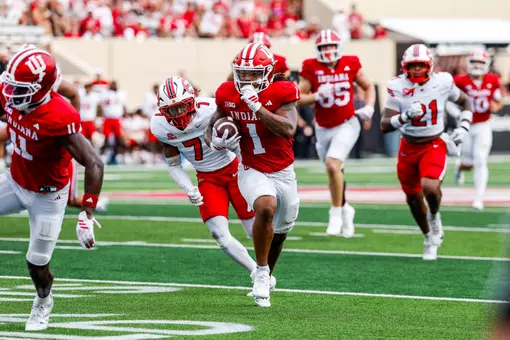
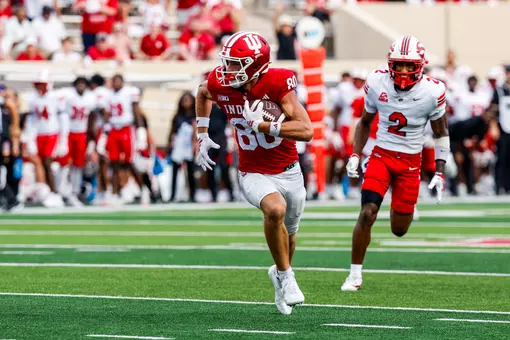
Players Mentioned

Monday, September 21
Saturday, September 19
Saturday, September 19
Saturday, September 19