
Indiana University Athletics
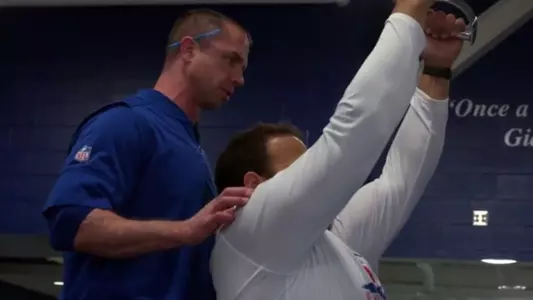
Adjust and Thrive
9/4/2020 9:30:00 AM | Football
By Pete DiPrimio
IUHoosiers.com
BLOOMINGTON, Ind. - The unknown looms over Big Ten football and Aaron Wellman's task is clear:
Make the best of it.
"We try to do what is best for each individual," Indiana's director of football performance says, "and that's tough to do if you don't have a true date or how long we have to build to."
The pandemic caused the Big Ten to postpone the season before it began, and no one knows when it will resume.
Will teams play beginning in late November? In January? In March? Next fall?
Or, perhaps most challenging of all, will two shortened seasons be played in perhaps a 10-month period?
Whatever is decided, Wellman's job is to make sure the Hoosiers, coming off an 8-5 season that was their best in a generation, are at their physical best.
"What we don't want to do," he says via a Zoom press conference, "is overload our players early."
That challenge is testing every strength coach in the Big Ten and the Pac-12, even one as experienced as Wellman, whom head coach Tom Allen describes as the "best strength coach in America."
Wellman was hired last winter after spending four years running the NFL's New York Giants training program, and quickly faced unprecedented obstacles. The pandemic ended spring practice early and wiped out much of summer training. He had to improvise individual training sessions for players at their homes, some without any available equipment.
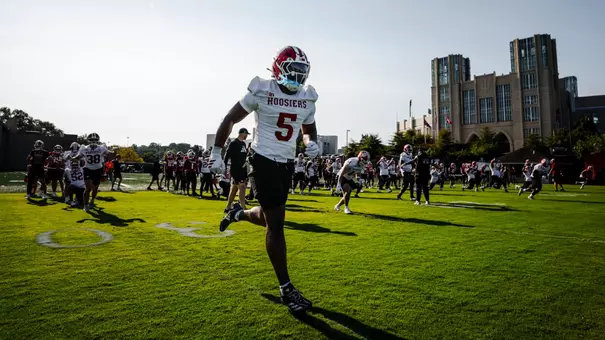
Workouts resumed on campus in June on a modified basis under medical guidelines, and then preseason camp started in August -- also under medical guidelines -- before the Big Ten shut it down.
This past week IU began four-days-a-week training, and while it's too early to get a feel for where the Hoosiers stand, Wellman says, the players attitudes remain strong.
"We've got a resilient group of guys," he says, "and whenever adversity hits, opportunity arises."
Wellman is planning for every scenario.
"I will give you an example," he says. "If (Big Ten officials) say (the season) is three weeks away, all of us (strength coaches) are going to feel a sense of responsibility to increase these training loads and demands to get (players) ready for that.
"The last thing I want to do is overload our players too much and run into problems two or three weeks from now."
For Wellman, just give him a date.
"The sooner we know, the better. If we know we have two to three months to prepare, the training program looks vastly different than if they say we're playing in four weeks. That's a whole different ballgame."
Wellman and his staff train athletes for the short- and long-term. In a program in which development is so critical, the long-term takes precedent.
"We try to monitor every yard our players run, the volume of the lifting sessions and the intensity of the lifting sessions on an individual basis with 120 guys," Wellman says.
The push to play has created that two-season possibility. While Big Ten officials will make that call, Allen doesn't want any plan that hurts the 2021 season. Wellman is focused on the best way to manage whatever happens.
If the Big Ten goes with winter/fall seasons, how do you train athletes to prepare them for that many games in that short of a span without causing a rash of injuries?
"I don't know if we have a good answer to that," Wellman says. "So much depends on the individual."
In strength-coach terms, it's about building up "chronic workloads," Wellman says. That's typically done over an eight- to 10-week period, but every player is different.
"We cannot rush physiology. We need to develop some chronic training. The best (program) we can be on now is one that we can consistently complete on a weekly basis. It might be six weeks for one guy and eight for another to get them ready for the season."
Normally, with a starting date determined, Wellman says he devises a 10-week program to get players ready.
Now, all he has is the experience to adjust to any situation and, as Allen so often puts it, a "don't-blink" mindset.
"We don't have a clear understanding for what we're preparing for or of the loads players are going to encounter or how many weeks they will encounter or how long between the kickoff of the 2021 season and the end of the 2020 season.
"We have to be flexible and willing to adjust. The team that does that the best will have their athletes in the best physical state to mitigate injuries associated with higher training loads, frequent competitions and a shorter calendar year."
The Hoosiers want to be that team.
With Wellman running the show, the process is well under way.
IUHoosiers.com
BLOOMINGTON, Ind. - The unknown looms over Big Ten football and Aaron Wellman's task is clear:
Make the best of it.
"We try to do what is best for each individual," Indiana's director of football performance says, "and that's tough to do if you don't have a true date or how long we have to build to."
The pandemic caused the Big Ten to postpone the season before it began, and no one knows when it will resume.
Will teams play beginning in late November? In January? In March? Next fall?
Or, perhaps most challenging of all, will two shortened seasons be played in perhaps a 10-month period?
Whatever is decided, Wellman's job is to make sure the Hoosiers, coming off an 8-5 season that was their best in a generation, are at their physical best.
"What we don't want to do," he says via a Zoom press conference, "is overload our players early."
That challenge is testing every strength coach in the Big Ten and the Pac-12, even one as experienced as Wellman, whom head coach Tom Allen describes as the "best strength coach in America."
Wellman was hired last winter after spending four years running the NFL's New York Giants training program, and quickly faced unprecedented obstacles. The pandemic ended spring practice early and wiped out much of summer training. He had to improvise individual training sessions for players at their homes, some without any available equipment.
Workouts resumed on campus in June on a modified basis under medical guidelines, and then preseason camp started in August -- also under medical guidelines -- before the Big Ten shut it down.
This past week IU began four-days-a-week training, and while it's too early to get a feel for where the Hoosiers stand, Wellman says, the players attitudes remain strong.
"We've got a resilient group of guys," he says, "and whenever adversity hits, opportunity arises."
Wellman is planning for every scenario.
"I will give you an example," he says. "If (Big Ten officials) say (the season) is three weeks away, all of us (strength coaches) are going to feel a sense of responsibility to increase these training loads and demands to get (players) ready for that.
"The last thing I want to do is overload our players too much and run into problems two or three weeks from now."
For Wellman, just give him a date.
"The sooner we know, the better. If we know we have two to three months to prepare, the training program looks vastly different than if they say we're playing in four weeks. That's a whole different ballgame."
Wellman and his staff train athletes for the short- and long-term. In a program in which development is so critical, the long-term takes precedent.
"We try to monitor every yard our players run, the volume of the lifting sessions and the intensity of the lifting sessions on an individual basis with 120 guys," Wellman says.
The push to play has created that two-season possibility. While Big Ten officials will make that call, Allen doesn't want any plan that hurts the 2021 season. Wellman is focused on the best way to manage whatever happens.
If the Big Ten goes with winter/fall seasons, how do you train athletes to prepare them for that many games in that short of a span without causing a rash of injuries?
"I don't know if we have a good answer to that," Wellman says. "So much depends on the individual."
In strength-coach terms, it's about building up "chronic workloads," Wellman says. That's typically done over an eight- to 10-week period, but every player is different.
"We cannot rush physiology. We need to develop some chronic training. The best (program) we can be on now is one that we can consistently complete on a weekly basis. It might be six weeks for one guy and eight for another to get them ready for the season."
Normally, with a starting date determined, Wellman says he devises a 10-week program to get players ready.
Now, all he has is the experience to adjust to any situation and, as Allen so often puts it, a "don't-blink" mindset.
"We don't have a clear understanding for what we're preparing for or of the loads players are going to encounter or how many weeks they will encounter or how long between the kickoff of the 2021 season and the end of the 2020 season.
"We have to be flexible and willing to adjust. The team that does that the best will have their athletes in the best physical state to mitigate injuries associated with higher training loads, frequent competitions and a shorter calendar year."
The Hoosiers want to be that team.
With Wellman running the show, the process is well under way.

Thursday, August 13
Thursday, August 13
Tuesday, August 11
Tuesday, August 11