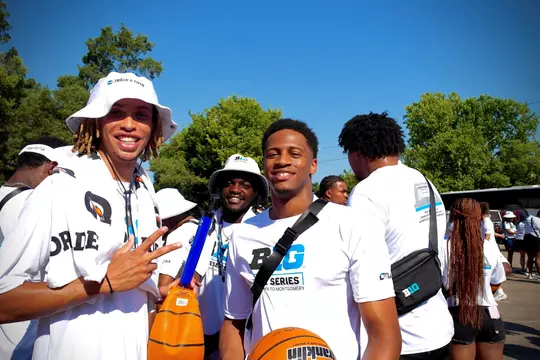
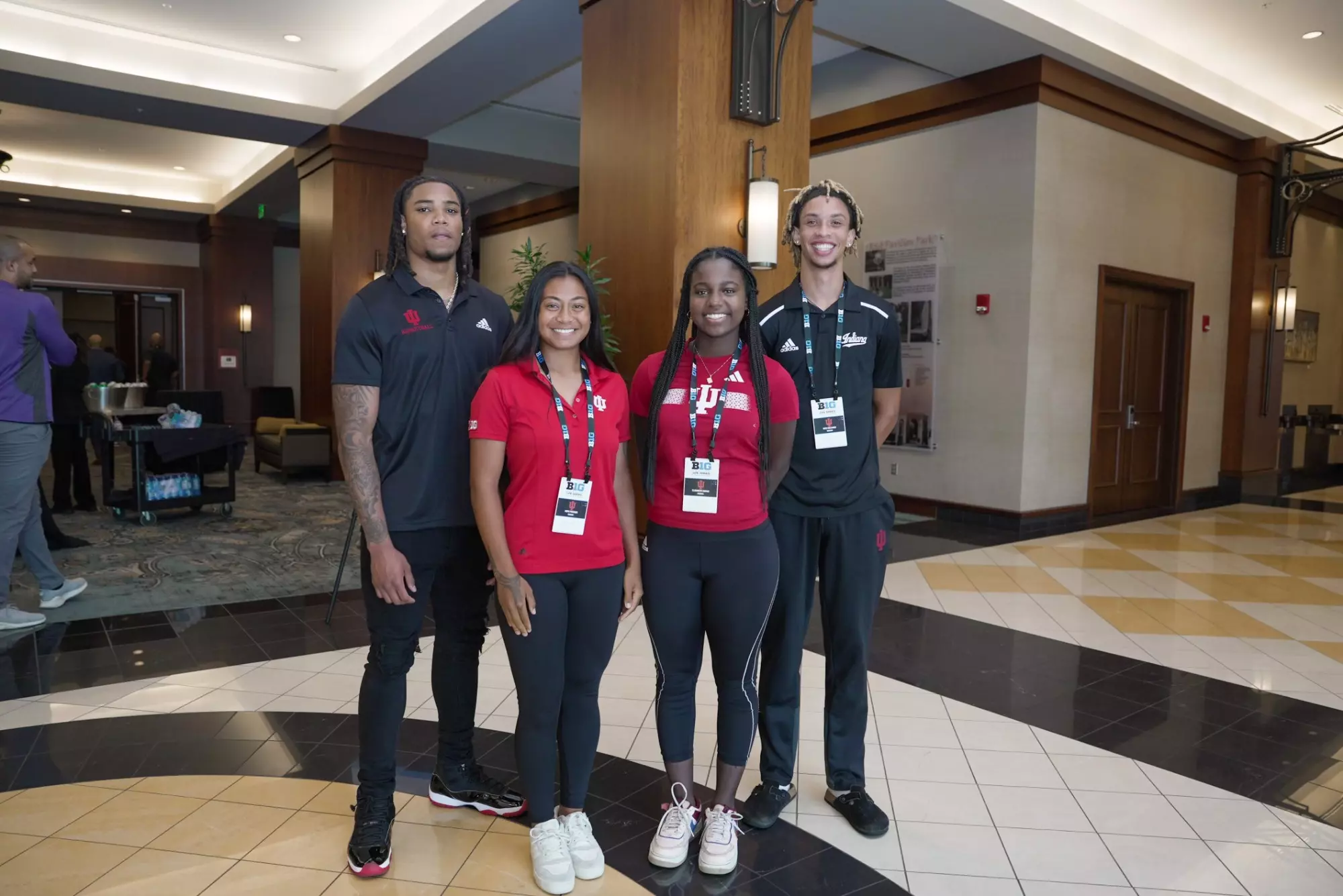
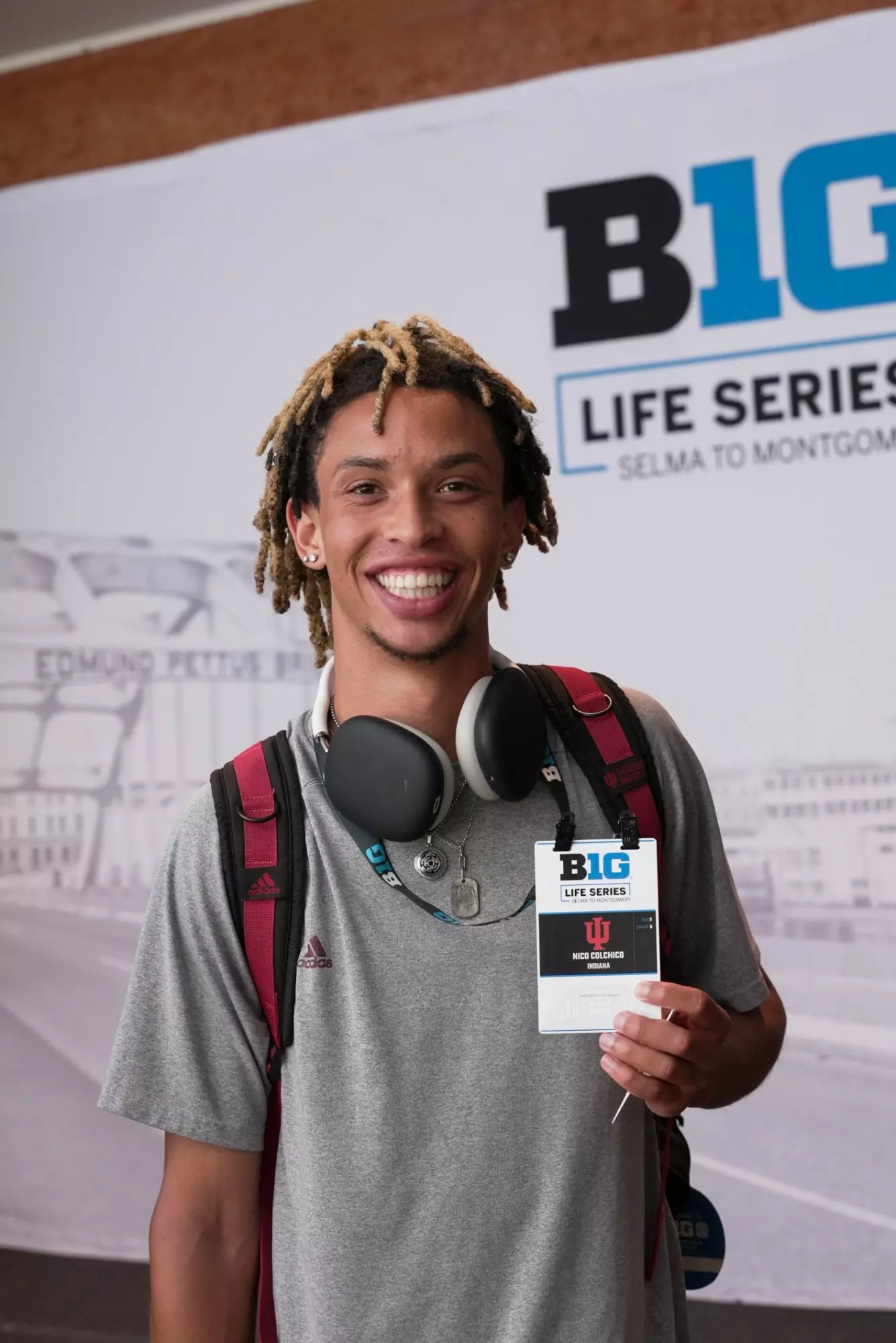
BLOOMINGTON, Ind. – Four Indiana University Athletics student-athletes along with senior associate AD Lorian Price participated in the third edition of the “Big Life Series: Selma To Montgomery” on July 12-14, 2024. The event featured a full slate of programs highlighting the civil rights movement in Alabama. IU’s student-athletes who attended were Hope Paredes (women’s soccer), Jakia Newton (men’s basketball), Elisabeth Dunac (women’s tennis) and Nico Colchico (men’s track and field).
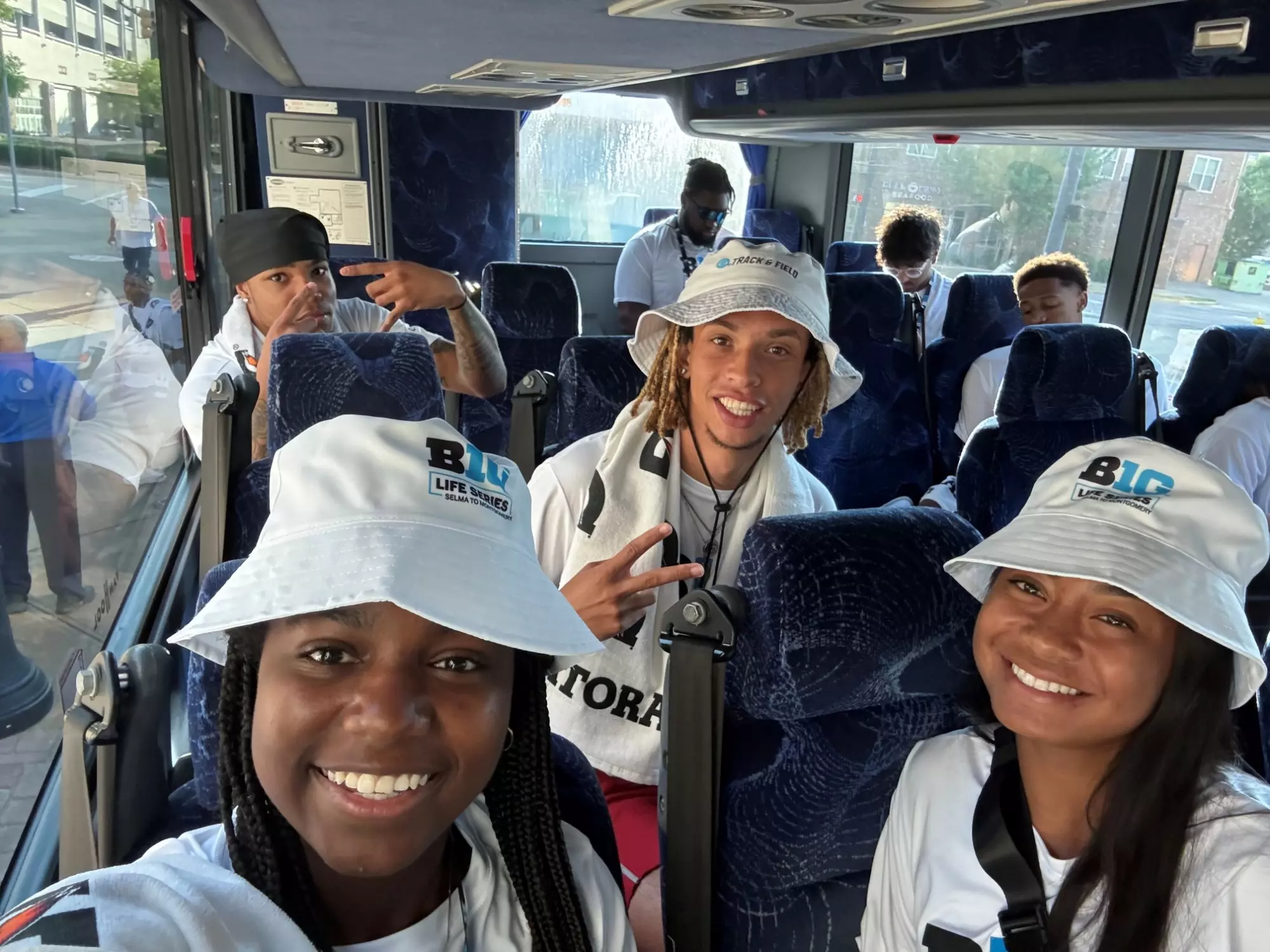
The event began with a community service project as more 125 student-athletes from all 18 Big Ten schools, including coaches and school and conference administrators, stuffed back-to-school backpacks for a local school. That was followed by speeches from Mayor James Perkins Jr., Lynda Blackmon Lowery and Warren Billy Young at First Baptist Church of Selma, known for its association with the Civil Rights Movement.
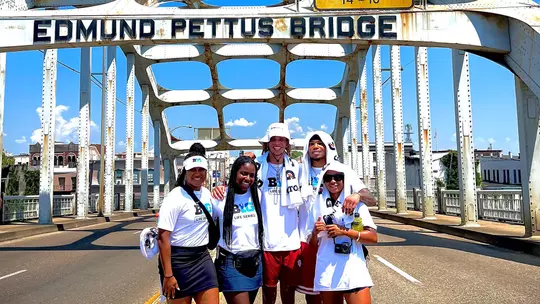
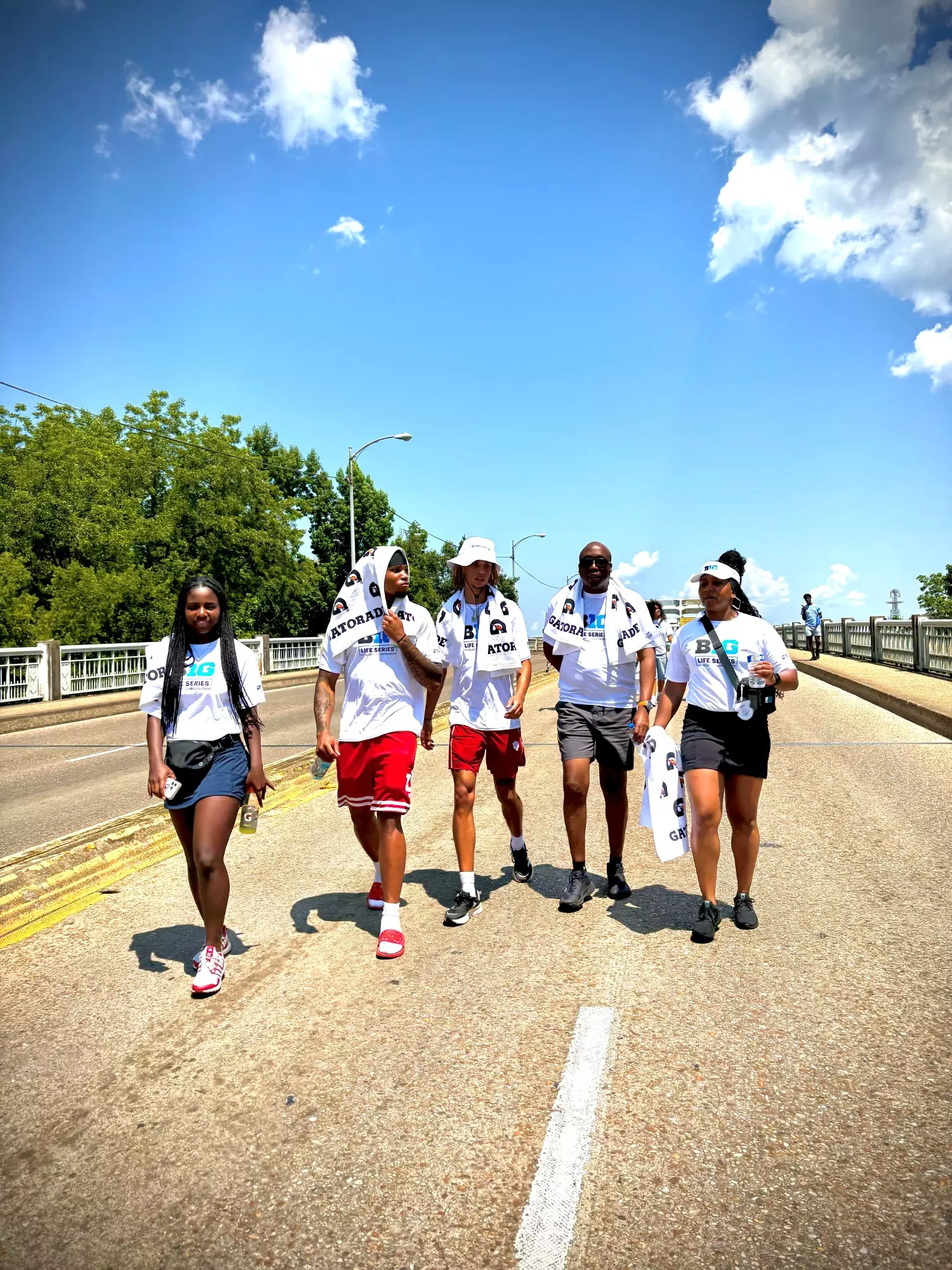
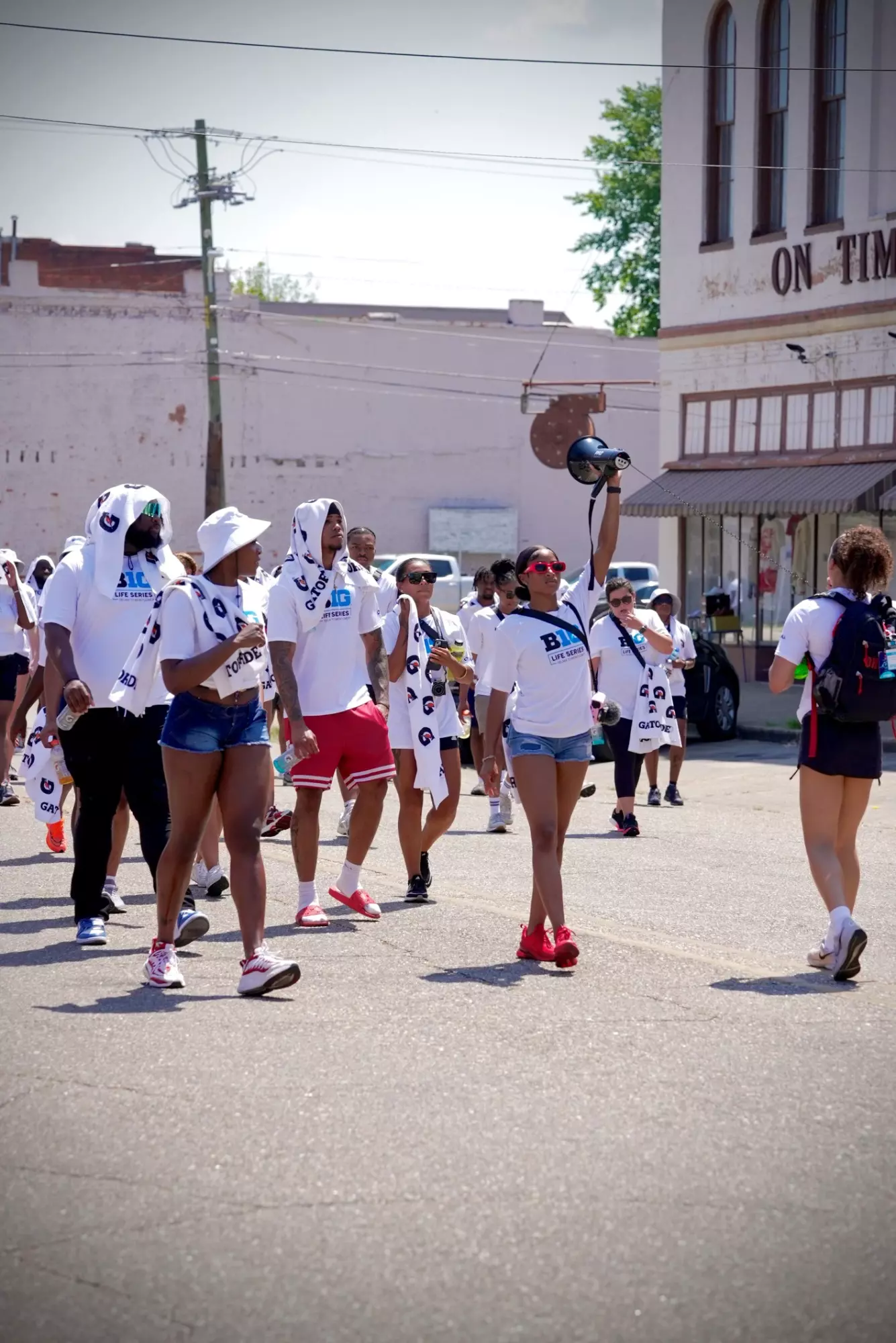
Attendees then took part in a walk across the Edmund Pettus Bridge, site of the 1965 Bloody Sunday March and enjoyed a traditional southern lunch. The second half of Saturday's schedule included visits to the Civil Rights Memorial Center and the Alabama Archives and History Museum. Community activist Doris Dozier Crenshaw spoke at the Archives and proved once again extremely popular with the audience.
After dinner, the evening closed with a visit to The Legacy Museum, which offered a thought-provoking immersive experience of black history in the United States.
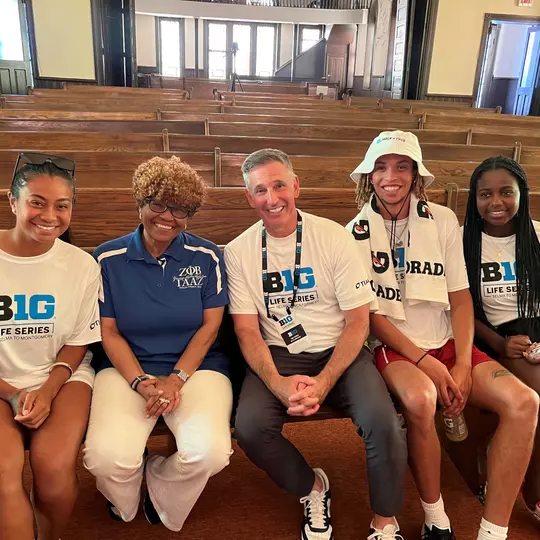
Indiana’s student athletes shared their thoughts on the experience:
Nico Colchico, men’s track and field
“Attending the B1GLife Selma to Montgomery event was one of the most impactful trips of my life. As I spent the next couple of days reflecting once I got back home, I started to realize how important it is to not just be educated for myself, but to make sure my peers are educated as well. Our country has a dark and heavy history associated with it, but there are also lessons to be learned and pride to be taken in it. Obviously, we learn about slavery and the oppression of black Americans in school to a certain level, but that doesn’t compare to reading actual quotes from slaves detailing their torture, seeing graphic photos of people who look like me being beaten and hung, and hearing from speakers who were alive during the Civil Rights Movement and attended events like Bloody Sunday. I really feel that going on this trip helps you gain a new perspective, or at least refine your perspective, on the history of this country and how far we have come. However, it was also very empowering to hear some of those speakers say that we still have much more work to do, and that my generation has the power to make that progress a reality. Being around so many other successful, smart, and young black student athletes gave me the hope and strength to want to continue being more involved, getting myself and others educated, and being the change that this country needs.”
Jakai Newton, men’s basketball
“Overall, the trip was a great experience. I wanted to go to learn more about my people's history. It was moving to hear the stories told by Ms. Linda and Ms. Crenshaw. They gave me a different perspective on what my people had to go through. I had only vaguely learned about slavery and the civil rights movement growing up in school, but to see and experience it firsthand was something that really impacted me. My favorite part of the trip was getting to share this experience with other people. Sharing our thoughts and feelings with others from the Big Ten through this experience showed me that we can come together regardless of our different backgrounds and upbringings.”
Hope Paredes, women’s soccer
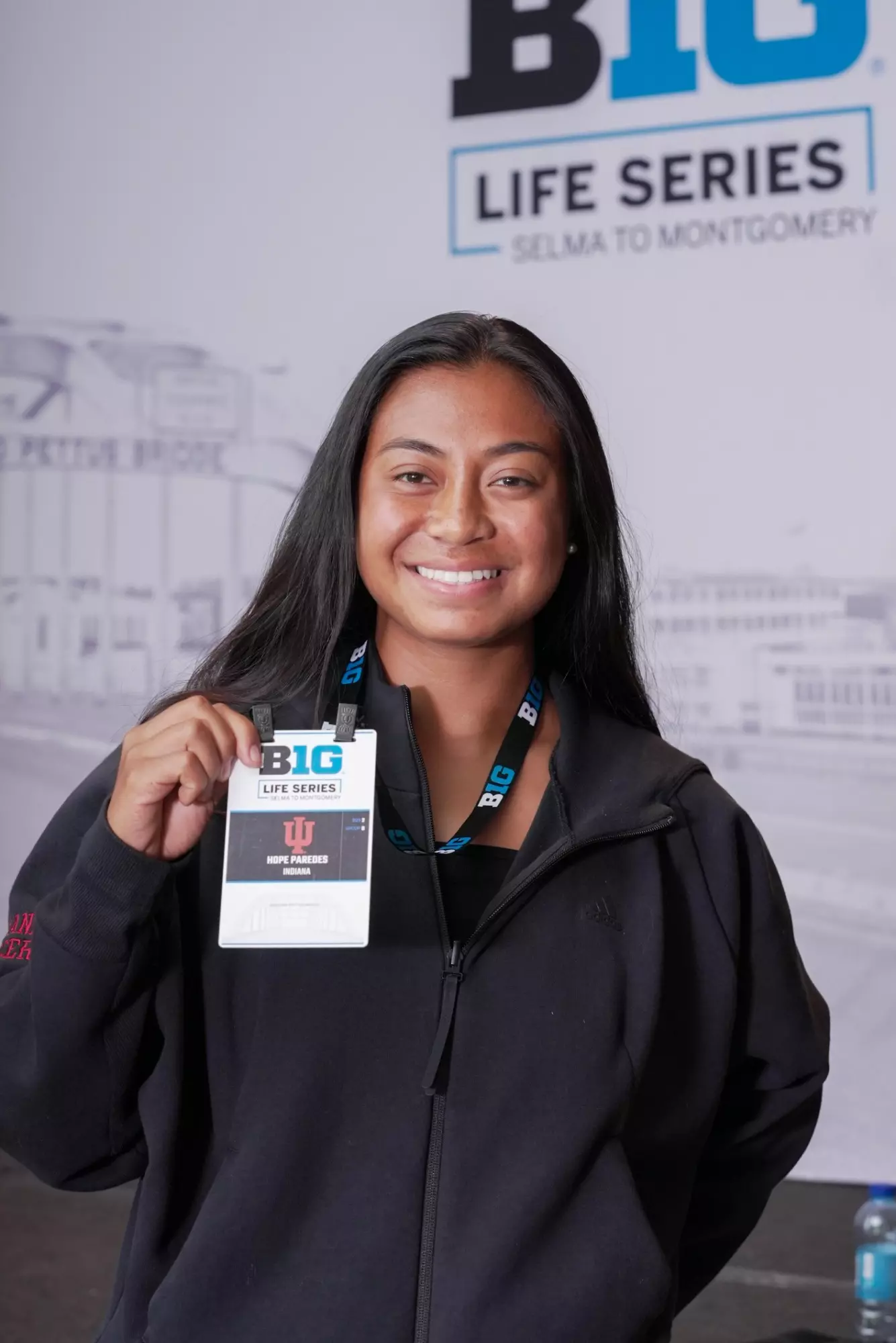
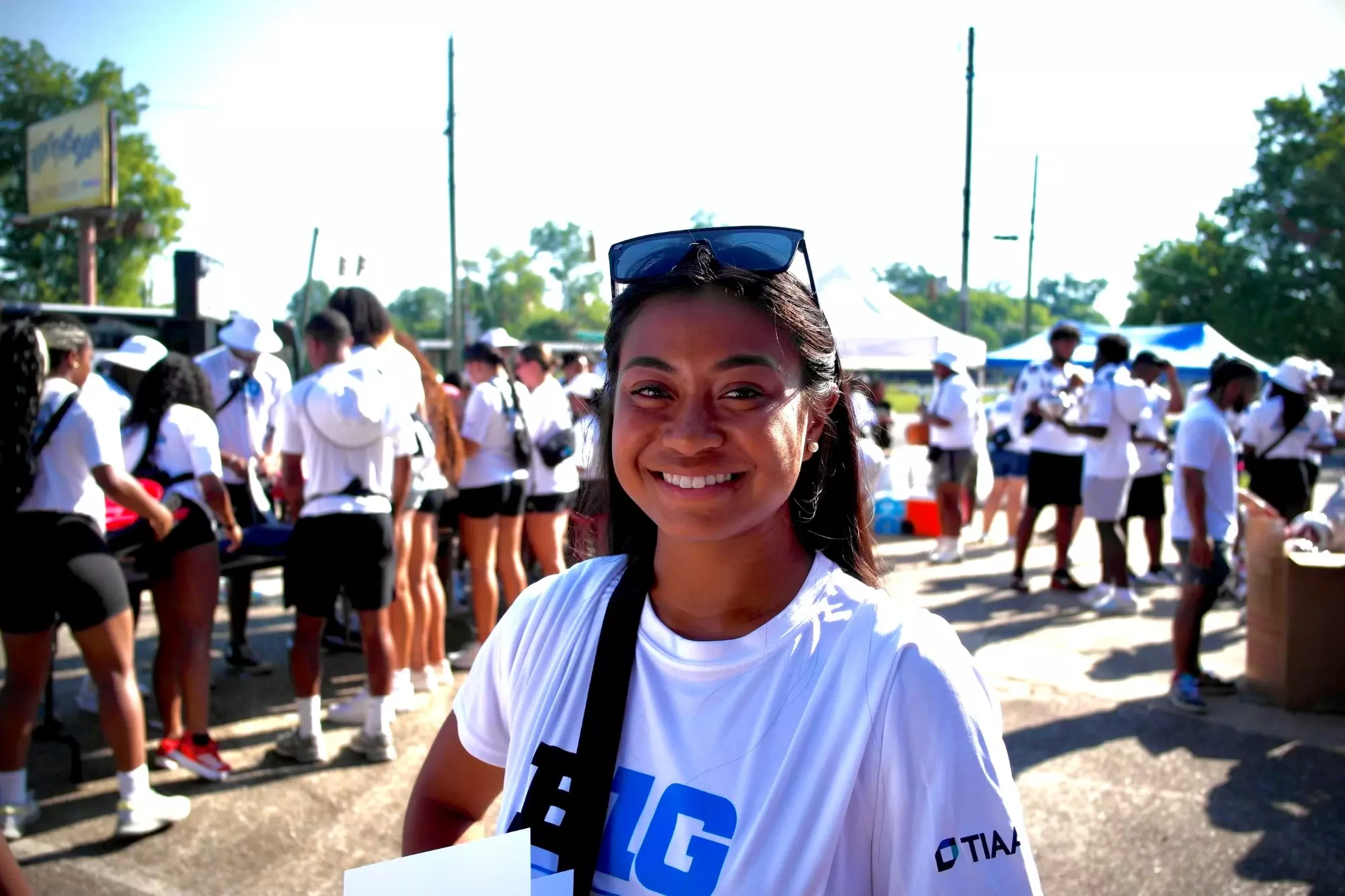
“My trip to Selma was a profound privilege. It opened up a different perspective of the pain and hardships that the people there endured. American history education can be limited, and hearing directly from people such as Doris Crenshaw, Lynda Blackmon, and Sheyann Christburg, who were part of the history and movements we read about, is an irreplaceable experience. We experienced things that reading the history books won’t teach. What touched me deeply were the different emotions the trip evoked. I witnessed a range of reactions, from tears to anger. The exhibits, museums, and stories we encountered reflect a part of American history that is often buried beneath the surface. Being in museums that have you confront the history of slavery and America's treatment of African Americans brought a sense of vulnerability. For many, this was overwhelming and is often a topic we avoid discussing. Coming from a background of Hawaiian descent and the West Coast, I had felt that I did not experience these emotions sincerely. Growing up far from the South, I wasn’t regularly reminded of slavery or the specific history affecting African Americans, unlike the children raised in those areas. With my background, I could only imagine the hurt my companions were experiencing. I understand the discomfort of seeing your people suffer deeply. This trip was an experience that people from all backgrounds should do. It forces you to relive hard moments in history, but it also demonstrates the power of unity and strength of overcoming adversity. The speakers showed how much devotion, fight, selflessness, and love were needed to break through barriers. I hope others get to experience what I had on this trip.”
Elisabeth Dunac, women’s tennis
“I had an incredible experience representing Indiana University and visiting Selma and Montgomery, Alabama as a part of the Big Ten’s 2024 #B1GLife Series trip. It was a humbling experience to step foot in some places that I had previously learned about in school, such as the First Baptist Church in Selma and the Edmund Pettus Bridge. The guest speakers there helped to deepen my understanding of the 1965 Bloody Sunday attack, as some of them participated firsthand in the march! We later toured the Civil Rights Memorial Center and Alabama Department of Archives & History in Montgomery, where we learned about the history of black and indigenous people in Alabama and watched a short film on how successful civil rights movements in the past should serve as motivation for movements today. Our final attraction was the Equal Justice Initiative Legacy Museum in Montgomery, which focused on racial injustice and used some very striking visuals to describe the beginning of the slave trade, slave trade locations in the United States, the brutal separation of families of enslaved people, racism after the abolishment of slavery, and more modern topics such as wrongful incarcerations and racially-motivated shootings. It was a privilege to listen to and learn from the civil rights activists and museums, and I hope to use the lessons I’ve learned on the trip to bring about positive change in our athletics departments, universities, and beyond. I’m so thankful to the Big Ten and their Community & Impact team for this amazing opportunity, and I would also like to thank Lisa Winters, Lorian Price, and those at the Indiana University Excellence Academy for their assistance in helping the trip run smoothly. Finally, shoutout to my fellow IU student athletes Hope, Nico and Jakai for making this such a great trip!”